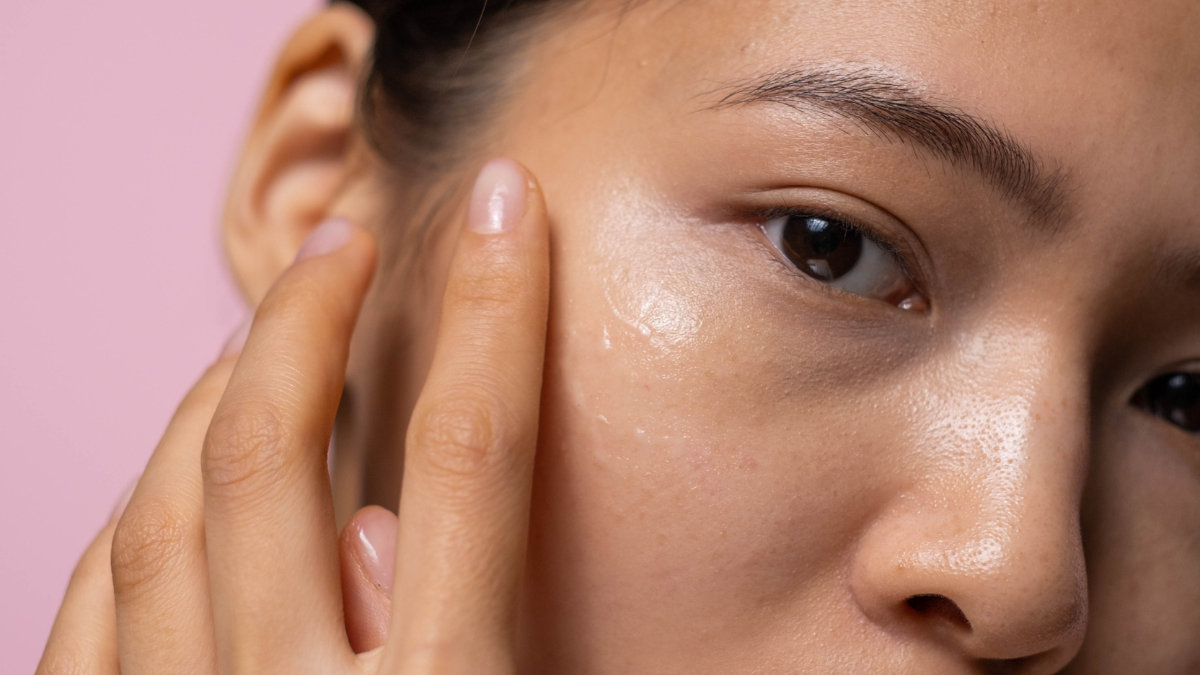
You do everything “right.”You sleep a full eight hours. You drink enough water. You invest in skincare.
Yet when you look in the mirror, your skin still appears dull, tired, and lifeless—almost as if it hasn’t caught up with your healthy routine.Naturally, you start blaming the usual reasons: aging, stress, pollution, or maybe the products just aren’t working.
But what if the real issue isn’t on the surface at all?Recent scientific research suggests that tired-looking skin may be linked to something happening deep inside your skin cells—a decline in the energy that keeps skin healthy, resilient, and glowing. Your skin may not be “bad” or “aging prematurely.”
It may simply be running low on cellular energy.
Summary
- Tired skin is often linked to reduced cellular energy
- Skin repair, glow, and renewal depend on mitochondria
- Modern lifestyle factors can weaken mitochondrial function
- Targeted nutrition and light-based therapies may help restore skin vitality
What Is “Tired Skin”?
“Tired skin” isn’t a medical diagnosis, but dermatologists commonly use the term to describe skin that looks worn down despite good care. It often appears as dullness, uneven tone, fine lines that seem to appear suddenly, dark circles, or skin that heals more slowly than expected.
What makes tired skin frustrating is that it frequently shows up even when someone is eating well, sleeping enough, and following a consistent skincare routine. This has led researchers to look beyond surface causes and explore what’s happening at the cellular level.
Dermatology research now suggests that many of these visible changes are linked to a slowdown in skin cell activity—especially the processes responsible for repair and regeneration.
Understanding Skin Energy
Your skin is not static. Every day, skin cells are repairing damage, producing collagen, defending against pollution, and maintaining hydration. All of these processes require energy.
That energy comes in the form of ATP (adenosine triphosphate)—the fuel that powers every function inside a skin cell. When ATP levels are high, skin cells function efficiently. When ATP drops, skin begins to lose its ability to repair and renew itself.Low energy at the cellular level doesn’t cause pain or illness, but it does show up visually—often as dullness, fatigue, and premature aging.
Why Mitochondria Matter for Skin Health
ATP doesn’t appear on its own. It is produced inside specialized structures within cells called mitochondria.Mitochondria are responsible for converting nutrients and oxygen into usable energy. Skin cells are especially sensitive to changes in mitochondrial activity because they are constantly exposed to environmental stressors like UV light, pollution, and oxidative damage.Research published in dermatology and cellular biology journals has shown that reduced mitochondrial activity is associated with:
- Slower skin cell turnover
- Delayed wound healing
- Reduced collagen production
- Increased signs of aging
Studies referenced by the National Institutes of Health (NIH) and the Journal of Investigative Dermatology have also shown that UV exposure can damage mitochondrial DNA, further reducing the skin’s ability to produce energy efficiently.
In short, when mitochondria struggle, skin cells struggle too.
How Modern Lifestyle Habits Affect Skin Energy
Many everyday factors quietly reduce mitochondrial efficiency over time.
UV radiation damages cellular structures, including mitochondrial DNA, impairing energy production.
Chronic stress raises cortisol levels, which can suppress normal cellular repair processes.
Air pollution increases oxidative stress, forcing mitochondria to work harder under damaging conditions.
Poor nutrition deprives mitochondria of the nutrients they need to function properly.
Inadequate sleep disrupts nighttime repair cycles, reducing ATP availability in skin cells.
Individually, these factors may seem minor. Over time, their combined effect can significantly reduce skin vitality.
Oxidative Stress and Tired-Looking Skin
Oxidative stress occurs when free radicals overwhelm the body’s antioxidant defenses. Skin cells are particularly vulnerable because of their constant exposure to environmental stressors.When oxidative stress increases, mitochondrial membranes become damaged, energy production declines, and low-grade inflammation rises. This chain reaction makes skin appear less vibrant and more fatigued.
NIH oxidative stress as a key contributor to premature skin aging, reinforcing the idea that tired skin often reflects deeper biological processes rather than surface-level issues.
Real-Life Dermatology Case Insight
A 38-year-old woman sought dermatological care for persistent dullness, dark circles, and fine lines that appeared inconsistent with her age and lifestyle. Standard blood work showed no abnormalities. Her diet, sleep habits, and sun protection were all appropriate.
Further investigation revealed reduced mitochondrial activity within her skin cells, along with lower ATP levels. Instead of aggressive treatments, her care plan focused on cellular support—improving antioxidant intake, supporting mitochondrial nutrients, and using gentle red light therapy.
Within a few months, her skin showed noticeable improvements in texture, brightness, and overall appearance. The change came not from stronger products, but from restoring cellular energy.
Nutrients That Support Skin Mitochondria
Certain nutrients play a direct or supportive role in mitochondrial function, especially in skin cells.
CoQ10 (Coenzyme Q10)
CoQ10 is involved in ATP production inside mitochondria. Natural levels decline with age, which may contribute to reduced skin energy over time. Research indexed by NIH indicates that CoQ10 helps reduce oxidative stress and supports cellular energy processes.
Vitamin B-Complex
B vitamins assist enzymes that convert food into usable energy. Without adequate B vitamins, mitochondrial efficiency declines, affecting skin renewal and repair.
Magnesium
Magnesium is required for ATP activation. Even when ATP is present, it cannot function properly without magnesium. Low magnesium status has been linked to impaired mitochondrial activity.
Omega-3 Fatty Acids
Omega-3s help maintain healthy mitochondrial membranes and reduce inflammation, creating a more stable environment for energy production.
Red Light Therapy and Skin Energy
Red light therapy (630–660 nm) has been studied for its ability to stimulate mitochondrial activity. Research from academic medical centers, including Harvard-affiliated institutions, suggests that this wavelength can enhance ATP production and support skin repair when used appropriately.
For a deeper look at how light-based treatments stimulate cellular energy, read our detailed guide on Red Light Therapy & Your Mitochondria: Inside-Out Skin Renewal.
Foods That Help Fuel Skin Energy
| Food | Mitochondrial Benefit |
|---|---|
| Blueberries | Provide antioxidants that reduce oxidative stress |
| Spinach | Rich in magnesium, supporting ATP activation |
| Salmon | Supplies omega-3 fatty acids for mitochondrial protection |
| Eggs | Contain B-vitamins essential for energy metabolism |
| Green Tea | Offers polyphenols that support cellular efficiency |
Disclaimer
This content is for informational purposes only and is not intended as medical advice. Always consult a qualified healthcare or dermatology professional before making changes to your diet, supplements, or skincare routine.
FAQ
Q1: Can mitochondria affect skin appearance?
Yes. Low mitochondrial energy leads to dull, aging skin.
Q2: Does skincare reach mitochondria?
Only certain ingredients like CoQ10 and niacinamide help indirectly.
Q3: Is tired skin reversible?
In many cases, yes—by improving cellular energy.
Scientific References
- NIH – Mitochondrial Function & Aging
- Journal of Investigative Dermatology (2018)
- Free Radical Biology & Medicine (2020)