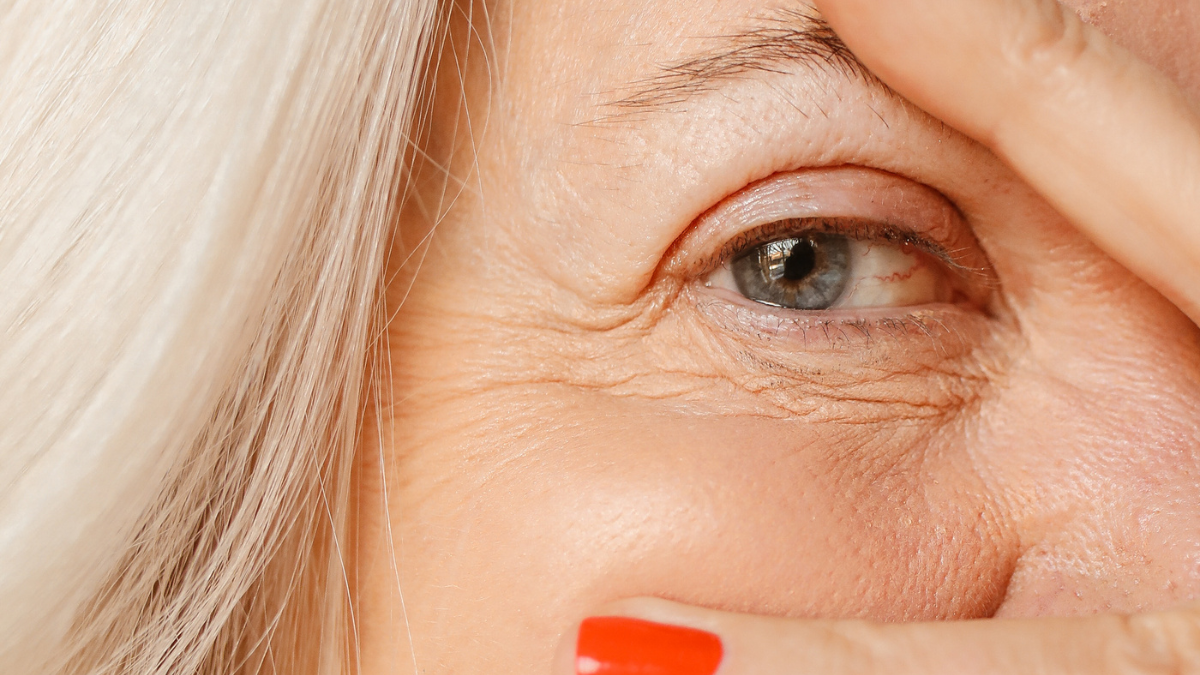
Most people believe skin aging happens because of age, sun exposure, or skincare products.But science tells a deeper story.Your skin ages because specific genes get activated or silenced over time. These genes control:
- Collagen breakdown
- Skin inflammation
- DNA repair
- Antioxidant defense
- Cellular energy (mitochondria)
The surprising truth ,Food can influence these skin aging genes.This field is called nutrigenomics — how nutrients interact with your genes.And yes, this means your fork may matter more than your face cream.
If your skin looks tired despite good skincare, it may be due to declining cellular energy—learn more in our guide “You’re Not Aging—Your Skin Is Running Out of Energy (Here’s Why)
What Are Skin Aging Genes?
Skin aging genes are not “bad genes.”
They are normal genes that react to lifestyle signals, including:
- What you eat
- Oxidative stress
- Inflammation
- Blood sugar spikes
Key Skin-Related Genes
- MMP genes → break down collagen
- SIRT genes (sirtuins) → longevity & DNA repair
- COL1A1 / COL3A1 → collagen production
- NF-κB → inflammation & skin damage
- FOXO genes → antioxidant defense
Diet can up-regulate or down-regulate these genes.
Summary
- Skin aging is gene-driven, not just age-driven
- Food can switch skin aging genes ON or OFF
- Antioxidants + healthy fats = youthful skin
- Sugar and processed foods accelerate aging
How Food Talks to Your Skin Genes
Epigenetics means genes are switched ON or OFF without changing DNA.
Food influences epigenetics through:
- DNA methylation
- Histone modification
- MicroRNA regulation
Translation in simple words:Your food sends chemical signals that tell your skin cells how fast to age.
Top Science-Backed Foods That Influence Skin Aging Genes
1.Blueberries – The DNA Protectors
When it comes to foods that affect skin aging genes, blueberries stand out as one of the most powerful and research-backed options.These small berries are packed with polyphenols, especially anthocyanins, which are known to protect DNA and regulate genes involved in skin aging.
Blueberries help skin aging genes in three major ways:
- Reduce oxidative stress that activates collagen-breaking genes (like MMPs)
- Protect DNA inside skin cells from damage caused by UV exposure and pollution
- Support antioxidant defense genes, helping skin cells neutralize free radicals
Oxidative stress is one of the main triggers that switch on genes responsible for wrinkles, inflammation, and skin thinning. By lowering this stress, blueberries help keep those aging pathways quieter.
Research Study:Research published in Oxidative Medicine and Cellular Longevity shows that blueberry polyphenols reduce DNA damage and improve cellular antioxidant responses.
Tips:Pair with healthy fats (nuts or seeds) to improve polyphenol absorption.
Research highlights that polyphenols influence epigenetic pathways linked to aging and age-related diseases by modulating gene expression and reducing oxidative stress.(Source: National Institutes of Health – NIH).
2.Avocados – Collagen Gene Support
Avocados are not just creamy and delicious—they’re a powerhouse when it comes to supporting skin at the genetic level. Rich in monounsaturated fats, vitamin E, and carotenoids, avocados help protect skin cells from oxidative stress, which can trigger the activation of genes responsible for collagen breakdown. Studies show that nutrients in avocados can upregulate collagen-producing genes, improving skin elasticity and reducing the appearance of fine lines. For example, vitamin C and E in avocados work synergistically to enhance procollagen synthesis, the building blocks of healthy collagen.
- Add half an avocado to your morning smoothie for a nutrient boost.
- Mash it on toast with a sprinkle of nuts or seeds to get extra antioxidants.
- Combine with leafy greens for a salad rich in carotenoids and healthy fats.
Including avocados regularly in your diet is a simple and effective way to support collagen genes naturally, making them one of the top foods that affect skin aging genes.
3.Fatty Fish – Anti-Inflammatory Gene Control
Fatty fish like salmon, mackerel, and sardines are rich in omega-3 fatty acids, which play a crucial role in regulating skin aging genes. Research shows that omega-3s can down-regulate pro-inflammatory genes such as NF-κB, which are responsible for chronic skin inflammation — a major factor in premature wrinkles, sagging, and loss of elasticity. They also help protect skin cells from oxidative stress, supporting collagen preservation and overall skin structure.
Research Study:A 2019 study in the Journal of Dermatological Science found that regular consumption of omega-3 fatty acids improved skin hydration and reduced UV-induced inflammation by affecting gene expression linked to aging. This makes fatty fish a powerful nutrigenomic food that can influence how your skin ages at the molecular level.
Tips:Include 2–3 servings of fatty fish per week to support anti-inflammatory pathways.
4.Green Tea – Sirtuin Activator
One of the most powerful foods that affect skin aging genes is green tea. Beyond being a refreshing drink, green tea is packed with polyphenols, particularly epigallocatechin gallate (EGCG), which can influence the genes that control skin aging.Green tea activates sirtuins, a group of proteins often called “longevity genes.” Sirtuins play a critical role in:
- Collagen preservation – slowing the breakdown of collagen fibers in the skin
- DNA repair – enhancing the skin’s ability to repair genetic damage caused by UV exposure
- Antioxidant defense – reducing oxidative stress that accelerates aging
- Cellular energy – supporting mitochondrial function, which keeps skin cells healthy
- Research published in the Journal of Nutritional Biochemistry found that EGCG from green tea activates SIRT1 in skin cells, reducing markers of aging and improving skin elasticity.
- Another study in Free Radical Biology & Medicine showed that green tea polyphenols protect skin from UV-induced DNA damage, which is crucial for slowing visible signs of aging.
Tips:2–3 cups of freshly brewed green tea provide a steady dose of polyphenols.
5.Tomatoes – Natural Sun Protection
Tomatoes are not just a tasty addition to your meals — they are a powerful ally when it comes to foods that affect skin aging genes. Rich in lycopene, a potent antioxidant, tomatoes help protect your skin cells from UV-induced damage, which is a major trigger for collagen breakdown and inflammation. Research shows that lycopene can reduce oxidative stress in skin cells, supporting DNA repair and slowing down the activation of genes responsible for premature skin aging.
Research Study:In a study published in the British Journal of Dermatology, participants who consumed tomato paste daily for 10 weeks showed significantly reduced skin redness after UV exposure, demonstrating lycopene’s role in natural sun protection. This makes tomatoes a perfect nutrigenomic food that communicates with your genes to maintain youthful skin.
Tips:Pair tomatoes with healthy fats like olive oil to boost lycopene absorption.
6.Nuts & Seeds – Telomere Protection
When it comes to foods that affect skin aging genes, nuts and seeds are real powerhouses. Why? Because they support telomere length, a key marker of cellular aging. Telomeres are protective caps at the ends of your DNA strands. Shorter telomeres are linked to faster aging, both internally and visibly in your skin.
Nuts and seeds are rich in vitamins, minerals, healthy fats, and antioxidants — especially vitamin E, selenium, magnesium, and omega-3 fatty acids. These nutrients:
- Reduce oxidative stress, which can accelerate telomere shortening.
- Regulate genes involved in DNA repair and cellular longevity, slowing skin aging at a molecular level.
- Support mitochondrial function, providing the energy skin cells need to repair and regenerate.
Research Work:Research from the American Journal of Clinical Nutrition confirms that diets high in seeds and nuts are associated with reduced markers of oxidative stress, which protects skin DNA.
Tips:Daily handful of Almonds, walnuts, pumpkin seeds, or sunflower seeds provide a mix of antioxidants and healthy fats.
Foods That Accelerate Skin Aging Genes
Avoid frequent intake of:
- Refined sugar (activates glycation genes)
- Ultra-processed foods
- Trans fats
- Sugary drinks
High sugar intake activates AGEs (Advanced Glycation End Products) that damage collagen genes.
Real-Life Case Study
45-year-old female, premature wrinkles, dull skin
Diet Change (12 weeks):
- Increased berries, fish, green tea
- Reduced sugar
Result:
- Improved skin elasticity
- Reduced fine lines
- Better hydration
Expert Advice
“Food is a daily epigenetic signal that affects skin aging.”
Conclusion
Skin aging is not destiny.It is a biological conversation between your genes and your lifestyle.And food is one of the strongest voices in that conversation.Eat wisely — your skin cells are listening.
Disclaimer
This article is for educational and informational purposes only and is not intended as medical advice. The information shared is based on scientific research and general nutritional principles, but individual results may vary. Always consult a qualified healthcare professional, dermatologist, or registered dietitian before making dietary changes, starting supplements, or addressing skin-related medical concerns. This content does not replace professional medical diagnosis or treatment.
FAQ
Q1: Can food really affect skin aging genes?
Yes. Nutrients influence epigenetic pathways that control collagen and inflammation.
Q2: How long does diet take to show skin results?
Most studies show changes in 8–12 weeks.
Q3: Are supplements better than food?
Whole foods are more effective; supplements help when deficient.
Scientific References & Citations
- NIH – Nutrition & Skin Aging
- American Journal of Clinical Nutrition