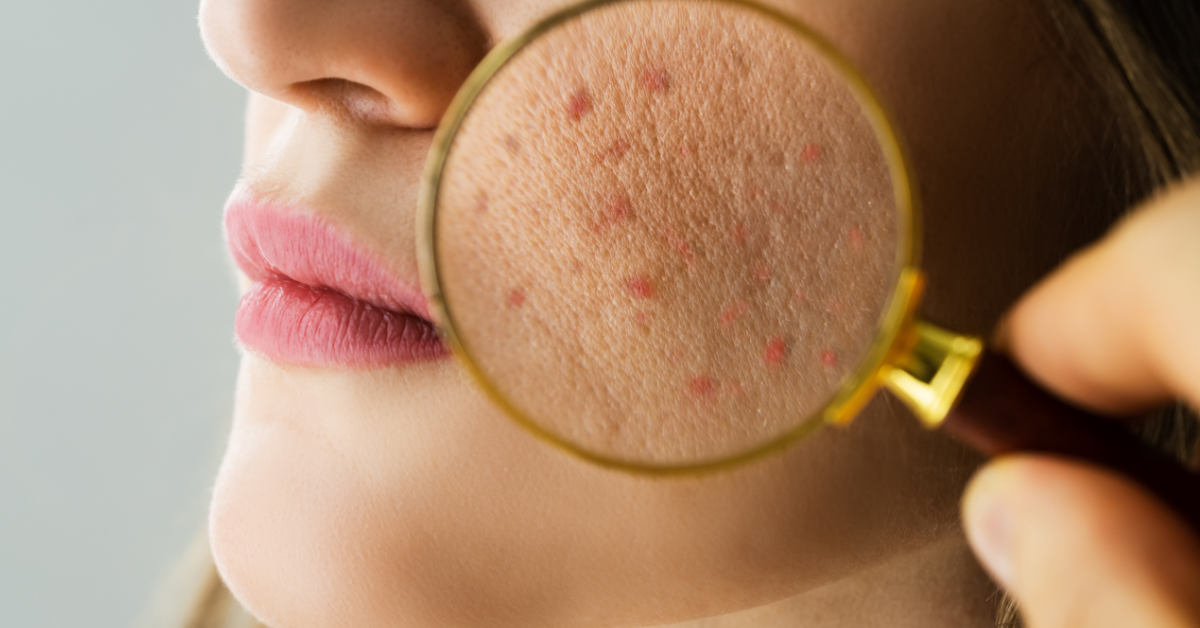
Ever feel like your face is having an identity crisis? You’re dealing with a skin surface that looks like a grease slick, yet feels so tight it might actually crack if you smile. It’s a frustrating cycle. You’re likely dealing with a “shiny but tight” sensation that just won’t go away. You’ve probably tried every “oil-control” wash on the shelf, but the breakouts keep coming.
If you are wondering why your skin barrier won’t heal, the answer usually isn’t about adding more products. It’s about how your oily acne skin is reacting to being stripped of its natural protection. When that thin, outer shield is broken, your skin overcompensates by pumping out even more oil.
Fixing it requires a shift in strategy. Instead of attacking the acne, we have to support the repair. Let’s look at the science behind your stubborn barrier and how to finally stop the stinging, redness, and constant oil slick.
Boost your skin barrier from the inside out with our 10 Best Nutrigenomic Smoothie Recipes for Skin Barrier Repair — packed with vitamins, antioxidants, and skin-friendly nutrients to support hydration, reduce inflammation, and improve acne-prone skin.
Summary
“Discover safe, research-backed routines to repair the skin barrier in oily, acne-prone skin. Learn the best cleansers, moisturizers, and acne treatments that strengthen skin without causing breakouts.”
The Science of Skin Barrier Repair for Oily, Acne-Prone Skin
Oily, acne-prone skin is not only about excess oil. Many people also have a damaged skin barrier. When the barrier becomes weak, the skin loses moisture and becomes irritated easily. This can make acne worse.
Research shows that skin barrier repair for oily acne-prone skin can improve acne management. A healthy barrier helps reduce redness, inflammation, and sensitivity. It also allows acne treatments to work better without causing too much dryness or irritation.The right barrier repair ingredients and moisturizers for oily acne-prone skin can strengthen the skin while keeping it lightweight and non-greasy.
Why Oily Skin Suffers Barrier Breakdown
Many people think oily skin is naturally protected because it produces more sebum. But research shows that oily acne-prone skin can still have a damaged skin barrier.
When the skin barrier becomes weak, the skin starts losing water. This process is called transepidermal water loss (TEWL). As TEWL increases, the skin becomes irritated, sensitive, and more prone to breakouts.
Studies also show that important barrier proteins and lipids may change in acne-prone skin. For example, ceramides, which help keep the skin barrier strong, can decrease. At the same time, proteins like filaggrin and keratin may function abnormally. This weakens the skin’s natural protection.
Some research has found that acne-prone skin may have a thinner stratum corneum, the outer protective layer of the skin. Changes in proteins such as desmoglein-1 can also affect how skin cells stay connected. This makes the skin barrier less stable.
Harsh acne treatments can make the problem worse. Products with retinoids, benzoyl peroxide, or strong exfoliants may damage the barrier if overused. This creates a cycle where the damaged skin barrier leads to more irritation and acne.
Research Highlights: Proof of Barrier Repair Benefits
Scientific studies show that skin barrier repair for oily acne-prone skin really works.A 2023 review in the Journal of Cosmetic Dermatology explains that ceramide-based skincare helps strengthen the skin barrier. It can reduce irritation and improve acne treatment results.Other studies also show that acne-prone skin often has weaker barrier genes. These genes help protect the skin. When the barrier is damaged, inflammation and breakouts can increase.
The good news is that barrier repair ingredients can help restore these functions. Lipids like ceramides play an important role in rebuilding the skin barrier.
A clinical study tested a gentle cleanser for oily acne-prone skin. The cleanser contained salicylic acid, glucuronolactone, and ceramides (EOP, NP, AP). After 4 weeks, participants showed lower transepidermal water loss (TEWL). Their skin hydration also improved. Acne lesions were reduced.This shows that gentle cleansing can support skin barrier repair without stripping oily skin.
Another study tested a salicylic acid gel. Results showed that TEWL dropped by 49% within a few hours. At the same time, the treatment helped control excess sebum.These findings confirm an important point. Barrier repair for oily acne-prone skin can reduce irritation,improve hydration, and support better acne control.
Best Ingredients and Routines to Repair Barrier in Oily Acne Skin
1.Ceramides and Skin-Friendly Lipids
Ceramides are key for skin barrier repair in oily acne-prone skin.
A study showed that a ceramide-containing cleanser and lotion with adapalene or benzoyl peroxide reduced TEWL, dryness, redness, and scaling. It also improved inflammatory acne lesions compared to a basic wash.
Experts recommend gentle, non-comedogenic, ceramide-based cleansers and moisturizers for acne treatment and long-term maintenance.Barrier science shows that moisturizers work best when they mimic the skin’s natural lipids (ceramides, cholesterol, fatty acids).
2.Smart Cleansing for Oily, Acne-Prone Skin
Over-washing, scrubs, and alcohol-based products damage the barrier. They worsen irritation and acne.A 2% salicylic acid cleanser with gentle cleansing technology reduced TEWL, dryness, redness, and acne lesions better than conventional SA cleansers.
A salicylic acid gel reduced sebum by 24%, increased hydration by 40%, and lowered TEWL by 49% in 21 days. This improved both acne and the barrier.
- Use gentle, low-foam, non-stripping cleansers.
- Avoid harsh soaps and repeated scrubbing.
- Leave-on salicylic acid formulations control oil and support the barrier.
3.Hydrating, Sebum-Balancing Routines
A study in women with sensitive, acne-prone skin tested a holistic skincare routine:
- Antimicrobial cleanser
- Retinoid-based treatment gel
- Hydrating, sebum-regulating, barrier-repair cream
Results after 6 weeks:
- Sebum reduced by 30%
- TEWL decreased by 9%
- Skin hydration increased by 20%
- Non-inflammatory acne lesions reduced by 26%
This shows that a “purify, treat, care” routine can strengthen the skin barrier, control oil, and reduce acne lesions at the same time.
4.Plant Oils and Extracts (Use Carefully)
Plant oils vary in effect:
- Linoleic acid-rich oils support barrier repair
- Oleic acid-rich oils can disrupt the barrier
- Prefer light, non-comedogenic, linoleic-rich oils (e.g., jojoba or oat-based dermocosmetics)
- Avoid heavy occlusive or oleic-rich oils on acne areas
- Use clinically tested plant-based dermocosmetics for acne
- Oat oil increases ceramide levels by ~70% and supports barrier structure.
5.Barrier-Friendly Actives and New Drugs
Some new treatments help repair the barrier without harming oily acne skin.
- Clascoterone 1% cream improves hydration without increasing TEWL. Well tolerated in acne-prone skin.
- Photobiomodulation and other technologies are being explored for deeper barrier repair.
Daily Routine Blueprint for Oily, Acne-Prone Skin
For oily, acne-prone, barrier-damaged skin, a structured routine can help repair the skin barrier and manage acne.
1.Cleanser (AM & PM)
- Use a gentle, non-comedogenic, low-foam cleanser.
- Prefer salicylic acid (SA) cleansers with barrier-preserving technology.
- Avoid harsh surfactants, alcohol toners, scrubs, and over-cleansing.
2.Treatment Step
- Use acne treatments carefully, like gentle retinoids, benzoyl peroxide (BPO), or salicylic acid.”
- Introduce new treatments slowly to prevent barrier damage.
3.Barrier-Repair Moisturizer (AM & PM)
Use a lightweight, non-comedogenic lotion with
- Ceramides
- Skin-friendly lipids
- Humectants like glycerin or hyaluronic acid
- Optional niacinamide
Never skip moisturizer, even if skin is oily.Studies show this improves hydration and lowers TEWL without worsening acne.
4.Sun Protection (AM)
- Apply non-comedogenic, broad-spectrum SPF.
- Sun damage can weaken the skin barrier further.
5.Optional Support
- Use plant-based dermocosmetics with anti-inflammatory and barrier-supportive effects.
- Choose products clinically tested for acne-prone skin.
Curious about boosting your skin barrier naturally? Learn how ingredients like snail mucin and other barrier-friendly actives work in our Does Snail Mucin Really Repair Skin Barrier and Wrinkles? post to improve hydration, reduce irritation, and support healthy, acne-prone skin.”
Conclusion
Repairing the skin barrier is just as important as treating acne. Gentle cleansing, ceramide-based moisturizers, and barrier-friendly acne treatments can reduce oil, inflammation, and lesions while keeping your skin healthy. Plant-based ingredients and carefully chosen actives further support barrier repair without clogging pores.
Are you ready to strengthen your skin barrier and improve acne at the same time?
Disclaimer
This content is for educational purposes only. Always patch-test products and consult a dermatologist before using new treatments, especially if you have oily, acne-prone, or sensitive skin.
FAQs
How to repair skin barrier for oily, acne-prone skin?
Repairing a damaged skin barrier in oily, acne-prone skin starts with gentle cleansing and non-comedogenic moisturizers. Use ceramide-based lotions, salicylic acid cleansers, and barrier-friendly acne treatments. Avoid harsh scrubs and alcohol toners to prevent irritation.
Does oily skin need barrier repair?
Yes. Oily skin can still have a weakened barrier, which causes irritation, sensitivity, and worse acne. Strengthening the barrier with ceramides, humectants, and gentle routines improves hydration, reduces TEWL, and supports acne treatments.
Can repairing your skin barrier help with acne?
Absolutely. A healthy skin barrier reduces inflammation, protects against bacterial overgrowth, and improves tolerance to acne treatments. Using barrier-friendly moisturizers and gentle cleansers can help control lesions and oil simultaneously.
What can I use to repair my skin barrier?
For oily, acne-prone skin, use:
Ceramide-based moisturizers
Salicylic acid cleansers with barrier-preserving technology
Niacinamide or humectants like glycerin/hyaluronic acid
Lightweight plant-based oils like oat or jojoba for barrier support
Best barrier repair moisturizer for oily skin.
Look for non-comedogenic, lightweight moisturizers with ceramides, humectants, and skin-friendly lipids. Brands designed for oily, acne-prone skin can restore hydration, reduce TEWL, and support acne treatment without clogging pores.