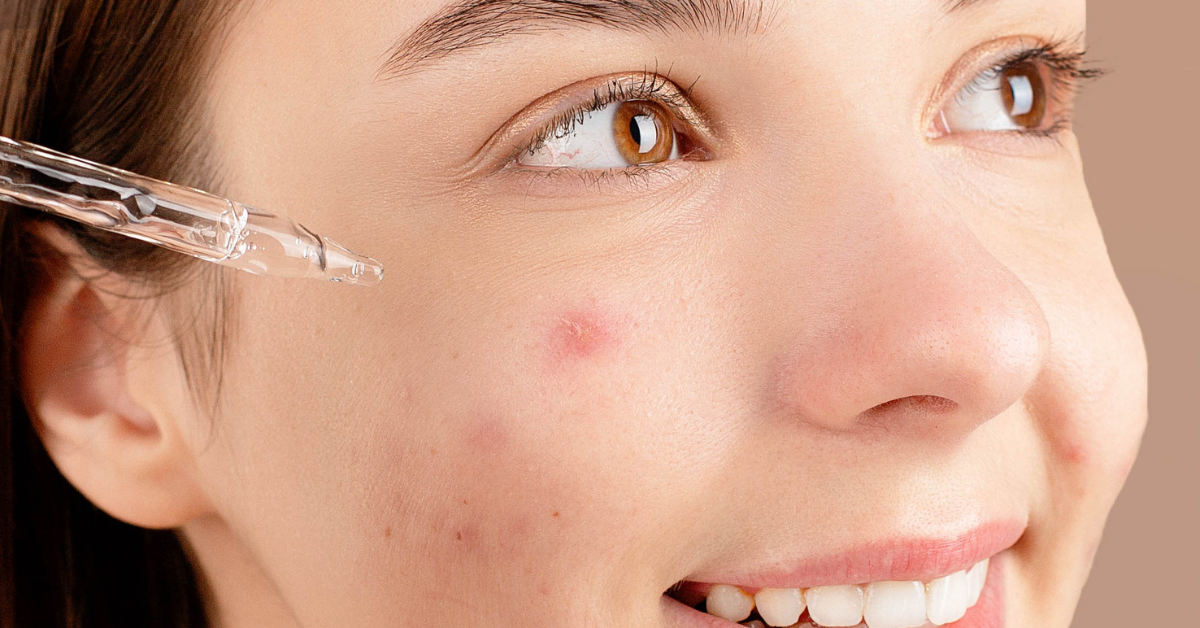
Hot and humid weather feels harsh on acne-prone skin. Sweat builds up fast. Oil production increases. Your pores clog more easily. And suddenly, your usual face wash starts causing breakouts.
Choosing the best cleanser for acne-prone skin in humidity is not simple. Many cleansers strip your skin. Some damage your skin barrier. Others leave residue that triggers acne. This is why breakouts get worse in humid climates.
A gentle cleanser for acne-prone skin should remove excess oil without overdrying. It should be non-comedogenic, pH-balanced, and fragrance-free. The wrong product can lead to irritation, redness, and more clogged pores.
In this guide, you will learn how to pick the right cleanser for humid weather acne. We will cover gel vs foaming cleansers, ingredients to avoid, and signs your cleanser is too harsh. You will also get a simple routine to prevent breakouts in humidity without damaging your skin barrier.
Learn more about the causes and solutions in our guide on why your skin barrier is damaged in humid weather and how to fix it.
Summary
Humid weather increases oil and breakouts Gentle gel cleansers work best for oily acne-prone skin Avoid harsh and over-drying face washes Choose non-comedogenic and pH-balanced cleansers Salicylic acid and niacinamide help control acne Ceramides support the skin barrier Simple skincare routines work better in humidity Over-cleansing can worsen acne and irritation
Why Acne-Prone Skin Gets Worse in Humid Weather
Hot and humid weather can trigger more breakouts. Your skin behaves differently in this climate. Oil increases. Sweat builds up. Pores get blocked faster. This creates the perfect setup for acne.
Studies show that acne is more common in hot and humid regions. Many people notice more breakouts in summer. Warm temperatures push your skin to produce more oil. Even a small rise in skin temperature can increase sebum production. More oil means more clogged pores.
Humidity also affects your skin barrier. It can weaken your natural protection. When your barrier is damaged, your skin becomes more reactive. This leads to redness, irritation, and inflamed acne.
Let’s break it down step by step.
Excess Oil and Sweat in Humidity
Heat increases oil production. Your skin starts producing more sebum than usual. This oil mixes with sweat and dirt.
Sweat does not cause acne directly. But in humid weather, it stays on your skin longer. It traps oil and bacteria inside your pores.
This creates a sticky layer on your skin. Pores get congested. Acne-causing bacteria grow faster in this environment.
That is why you see more oily skin and breakouts in humidity.
How Clogged Pores Trigger Breakouts
Humidity makes your skin cells swell. These cells line your pores. When they swell, pores become narrow and blocked.
At the same time, excess oil builds up inside. This leads to pore occlusion.
Blocked pores turn into whiteheads and blackheads. These can quickly become inflamed acne like papules and pustules.
This is similar to what happens in “maskne.” A warm and humid environment increases friction, sweat, and blockage.
So, humidity + oil + swollen skin cells = more clogged pores and breakouts.
Over-Cleansing and Skin Barrier Damage
Many people try to fix this by washing their face more. This often makes things worse.
Over-cleansing strips your natural oils. It damages your skin barrier.
When your barrier is weak, your skin produces even more oil to compensate. This leads to a cycle of dryness and breakouts.
Harsh cleansers also disturb your skin microbiome. This imbalance increases inflammation.
The result? More red, painful acne.
A better approach is to use a gentle, pH-balanced cleanser. It should remove excess oil without damaging your skin barrier.
Learn more about repairing your skin with this complete guide on best ingredients and routines to repair your skin barrier in oily acne-prone skin.
How to Pick Cleanser for Acne Skin in Humidity
Choosing the right cleanser is very important in humid weather. Your skin already produces more oil. Sweat also increases. So you need a cleanser that cleans well without damaging your skin barrier.
The best cleanser for acne-prone skin in humidity should be gentle, lightweight, and non-irritating. It should remove excess oil but never strip your skin.
Gentle Cleanser vs Harsh Face Wash
A gentle cleanser for acne-prone skin is always better than a harsh face wash.
Harsh cleansers often remove too much oil. This weakens your skin barrier. It can also trigger more oil production. That leads to more breakouts.
Gentle cleansers clean your skin without irritation. They help maintain balance. In humid weather, this balance is very important.
Avoid soap-based or high-foam harsh face washes. They can make acne worse instead of improving it.
pH-Balanced and Sulfate-Free Cleanser Benefits
Your skin has a natural pH level. When a cleanser is too alkaline, it disturbs this balance.
A pH-balanced cleanser for acne-prone skin helps protect your skin barrier. It keeps your skin calm and less reactive.
Sulfates are strong cleansing agents. They can strip natural oils from your skin. This leads to dryness and irritation.
A sulfate-free cleanser cleans without over-drying. It is safer for oily and acne-prone skin in humid weather.
For a deeper understanding of how cleansers affect the skin barrier and the science behind mild cleansing, refer to this research on Cleansing without compromise: the impact of cleansers on the skin barrier and the technology of mild cleansing.
Why Non-Comedogenic Cleansers Matter
A non-comedogenic cleanser is made to avoid clogged pores.
In humid weather, your skin already produces excess oil. If your cleanser blocks pores, acne gets worse.
Non-comedogenic formulas help reduce blackheads and whiteheads. They keep pores clear and breathable.
This is very important for oily acne-prone skin in humidity where pore blockage happens easily.
Fragrance-Free Skincare for Sensitive Acne-Prone Skin
Fragrance may make products smell nice. But it can irritate sensitive skin.
A fragrance-free cleanser for acne-prone skin reduces the risk of redness and inflammation.
In humid weather, your skin is already more reactive. Adding fragrance can trigger irritation and breakouts.
Fragrance-free formulas are safer. They support a calm and healthy skin barrier.
Best Types of Cleansers for Humid Weather (Acne-Prone Skin)
Choosing the right cleanser type is very important for acne-prone skin in humid weather. Heat and humidity increase oil production. Sweat also builds up on the skin. This makes pores more likely to get clogged. The wrong cleanser can make breakouts worse. The right one can keep skin clear and balanced.
In humid climates, lightweight and gentle cleansers work best. They remove excess oil without stripping the skin barrier.
Gel Cleanser for Oily Acne-Prone Skin in Humidity
A gel cleanser for oily acne-prone skin in humidity is one of the best options. It feels light on the skin. It removes excess oil and sweat without making your skin dry.
Gel cleansers are water-based. They help control shine in hot weather. They also prevent clogged pores, which is a common cause of acne in humidity.
If your skin gets very oily during the day, a gel cleanser can help keep it fresh and clean without irritation.
Foaming vs Gel Cleanser: What Works Better?
Both foaming cleansers and gel cleansers are popular for acne-prone skin. But they work differently.
Foaming cleansers create more lather. They can feel very clean on the skin. However, some foaming formulas can be too harsh if they contain strong surfactants.
Gel cleansers are usually gentler. They clean oil and dirt without over-drying the skin barrier.
In humid weather, gel cleansers are often a better choice. They control oil while keeping the skin calm and balanced.
If your skin is very sensitive, a mild gel cleanser is usually safer than a strong foaming wash.
Mild Cleanser for Sensitive Breakout-Prone Skin
A mild cleanser for sensitive acne-prone skin is important if your skin reacts easily. Humid weather can already make skin more sensitive due to sweat and heat.
Mild cleansers clean without irritation. They do not strip natural oils. This helps protect the skin barrier and reduces redness.
Look for gentle, non-comedogenic, and fragrance-free formulas. These cleansers support acne-prone skin without triggering new breakouts.
For sensitive skin in humidity, less is more. A simple mild cleanser often works better than a strong acne face wash.
Simple Cleansing Routine for Acne-Prone Skin in Humid Climate
- Cleanse your face in the morning and before bed
- Use lukewarm water while washing your face
- Pat skin dry with a soft clean towel
- Double cleanse only after makeup or heavy sunscreen
- Apply a lightweight moisturizer after cleansing
- Use oil-free sunscreen during daytime
- Cleanse after excessive sweating
- Avoid layering too many skincare products
- Keep your routine simple and consistent
- Switch to lightweight skincare in humid weather
- Focus on hydration without heavy formulas
- Avoid touching your face frequently
- Change pillowcases regularly to reduce buildup
- Stop using products that feel greasy or sticky
- Give your skin time to adjust to new products
Helpful Ingredients in Cleansers for Acne-Prone Skin in Humidity
| Ingredient | Benefits for Acne-Prone Skin in Humid Weather |
|---|---|
| Salicylic Acid (BHA) | Helps unclog pores, control excess oil, and reduce acne breakouts |
| Niacinamide | Reduces redness, balances oil production, and supports calmer skin |
| PHA (Polyhydroxy Acids) | Gently exfoliates without irritating sensitive acne-prone skin |
| Glycolic Acid | Removes dead skin cells and improves rough skin texture |
| Ceramides | Strengthen the skin barrier and prevent dryness from cleansing |
| pH-Balanced Cleansing Agents | Clean skin gently without disrupting the natural skin barrier |
For more scientific details on how niacinamide helps control oil, see this research on 2% niacinamide and facial sebum production.
Conclusion
Finding the best cleanser for acne-prone skin in humidity can make a big difference in your skin health. Hot and humid weather increases oil, sweat, and clogged pores. That is why choosing a gentle and lightweight cleanser is important.
Look for non-comedogenic, pH-balanced, and fragrance-free cleansers. Ingredients like salicylic acid, niacinamide, and ceramides can help control breakouts while protecting the skin barrier.
Keep your skincare routine simple. Avoid over-cleansing and harsh products. A balanced routine helps reduce acne without irritating your skin.
Disclaimer
This content is for informational purposes only and is not medical advice. Skin reactions vary, so consult a dermatologist if you have severe, persistent, or sensitive acne conditions.
FAQs
What is the best cleanser for humid weather?
The best cleanser for humid weather is a lightweight, non-comedogenic, and pH-balanced cleanser. Gel cleansers work well for oily and acne-prone skin because they remove excess oil and sweat without feeling heavy.
How to take care of acne-prone skin in humid weather?
Keep your skincare routine simple. Use a gentle cleanser twice daily, apply a lightweight moisturizer, and wear oil-free sunscreen. Avoid overwashing and heavy skincare products that can clog pores in humidity.
What cleanser does not cause breakouts?
A non-comedogenic and fragrance-free cleanser is less likely to cause breakouts. Look for gentle formulas made for acne-prone skin with ingredients like salicylic acid or niacinamide.
Can the right cleanser completely clear acne?
A cleanser can help reduce oil, clogged pores, and breakouts, but acne usually needs a full skincare routine and consistency. Severe acne may also require treatment from a dermatologist.
What helps reduce acne breakouts fast?
Ingredients like salicylic acid, benzoyl peroxide, and niacinamide may help reduce acne faster. Gentle cleansing, avoiding pore-clogging products, and protecting the skin barrier also support faster healing.