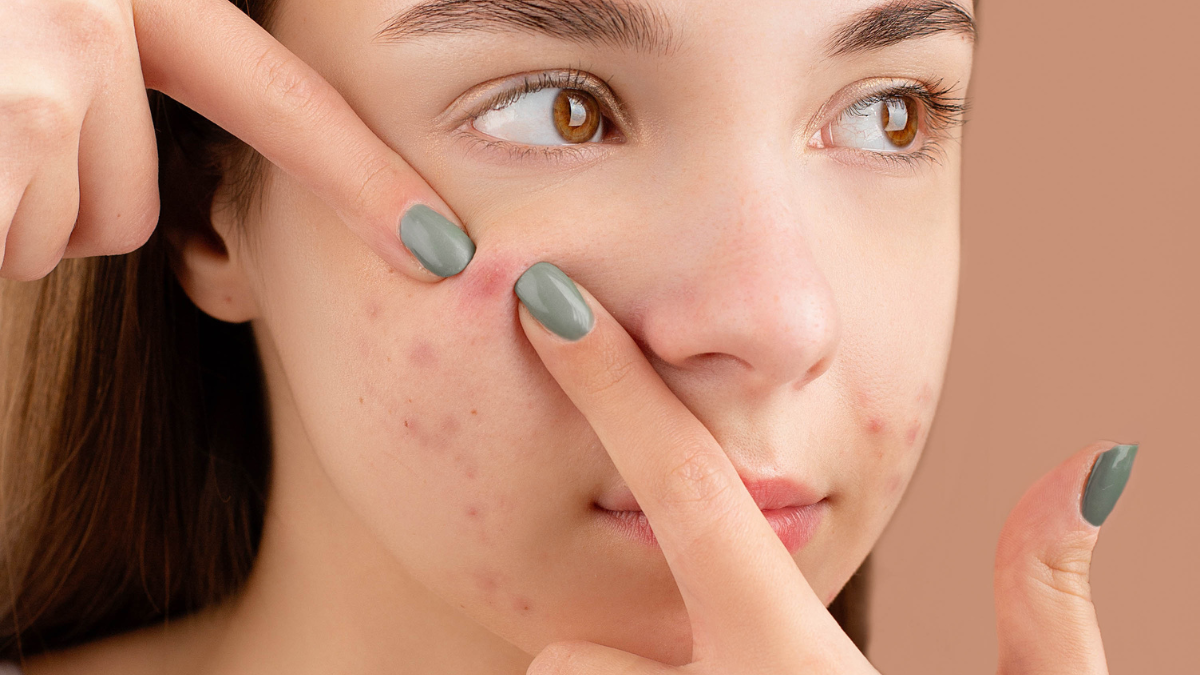
Adult acne affects millions of people worldwide, even after their teenage years. Unlike teenage acne, adult acne is often linked to hormonal changes, stress, inflammation, and diet. Research shows that certain foods can worsen acne, while others may help clear it naturally.
Did you know? According to a 2018 review published in Nutrients, high-glycemic foods, dairy, and processed sugars can trigger inflammation and hormonal changes that worsen acne in adults.
This guide explores science-backed foods that can help manage adult acne, plus real-life case studies and expert advice.
Summary
Diet directly affects adult acne
Low-GI, anti-inflammatory foods help reduce breakouts
Gut health plays a major role
Consistency matters more than perfection
How Diet Affects Adult Acne (The Science Explained Simply)
1 Hormones, Insulin & Acne
When you eat high-sugar or refined carbohydrate foods, your body releases insulin. High insulin levels increase IGF-1 (Insulin-Like Growth Factor-1), which stimulates oil production and skin cell growth—both key contributors to acne.
Research published in the American Journal of Clinical Nutrition shows that diets high in refined carbohydrates worsen acne severity.
2. Chronic Inflammation & Skin Breakouts
Adult acne is primarily an inflammatory skin condition. Diets high in processed foods, sugar, and unhealthy fats increase inflammation throughout the body, including the skin.
Anti-inflammatory foods help:
- Reduce redness and swelling
- Calm painful cystic acne
- Speed up skin healing
3. The Gut–Skin Axis
The gut and skin are closely connected through the immune system. An unhealthy gut microbiome can lead to increased systemic inflammation and trigger acne flare-ups.
📖 A review published in Dermato-Endocrinology (2016) concluded that improving gut bacteria through probiotics may significantly reduce inflammatory acne.
Foods That Fight Adult Acne Naturally
1.Omega-3 Rich Foods
Omega-3 fatty acids are powerful anti-inflammatory fats that help calm adult acne and support overall skin health.
Top Sources:
- Salmon
- Mackerel
- Sardines
- Chia seeds
- Flaxseeds
- Walnuts
Benefits for Skin:
- Reduces inflammatory cytokines that trigger acne
- Helps balance hormones
- Supports a healthy skin barrier for smoother, clearer skin
Scientific Evidence:
A 2014 clinical trial found that participants who consumed omega-3 supplements experienced a 20% reduction in acne lesions over 12 weeks.
Tip for Daily Use: Include 2–3 servings of omega-3 rich foods weekly, or consider a high-quality fish oil supplement after consulting a healthcare professional.
2. Low-Glycemic Index (GI) Foods
High-GI foods like white bread, sugary snacks, and processed cereals can spike blood sugar levels, triggering insulin surges that may worsen adult acne.
Top Low-GI Foods:
- Sweet potatoes
- Quinoa
- Oats
- Legumes (lentils, chickpeas, beans)
How They Help Your Skin:
- Reduces insulin and IGF-1 hormone spikes that can trigger acne
- Decreases sebum production
- Helps prevent clogged pores
Scientific Evidence:
A 2007 randomized study found that participants following a low-GI diet experienced fewer acne lesions after 12 weeks.
Tip for Daily Use: Swap high-GI snacks for whole grains and legumes, and pair carbohydrates with protein or healthy fats to keep blood sugar stable and skin clearer.
3.Antioxidant-Rich Foods
Antioxidants help combat oxidative stress, a key factor that contributes to acne-related inflammation. Including antioxidant-rich foods in your diet can support clearer, healthier skin from the inside out.
Top Sources:
- Berries (blueberries, strawberries, raspberries)
- Green tea
- Spinach
- Kale
- Dark chocolate (70% cocoa or higher)
Benefits for Skin:
- Reduces free radical damage that can trigger breakouts
- Supports collagen production for skin repair and elasticity
- Promotes clearer, healthier skin overall
Expert Insight:
Dermatologist Dr. Whitney Bowe, MD notes:
“Antioxidant-rich foods nourish skin from within, reducing inflammation and enhancing repair.”
Tip for Daily Use: Add a handful of berries to breakfast, sip green tea during the day, and enjoy a small piece of dark chocolate to boost antioxidants for your skin.
3.Probiotic & Fermented Foods
Healthy skin starts in the gut. Through the gut–skin axis, the balance of bacteria in your digestive system directly affects inflammation, immunity, and skin conditions such as acne. Probiotics—beneficial live microorganisms—help restore this balance and may play a supportive role in clearer skin.Probiotics work by improving gut microbiome diversity, which can reduce systemic inflammation and help regulate immune responses that trigger acne flare-ups. Its benefits include:
- Balancing the gut microbiome
- Lowering overall inflammation in the body
- Helping reduce the severity of acne lesions
- Supporting skin barrier and immune function
Best Probiotic-Rich Foods
Incorporating fermented foods into your daily diet is an easy way to naturally boost probiotic intake:
- Yogurt
- Kefir
- Kimchi
- Sauerkraut
- Miso
A 2016 review published in Dermato-Endocrinology found that probiotics may help reduce inflammatory acne by modulating gut bacteria and improving immune balance . This research highlights the growing importance of gut health in dermatological care.
Adding probiotic-rich foods to your diet may not replace topical acne treatments, but it can be a powerful complementary approach for improving skin health from the inside out. A healthy gut often reflects as healthier, calmer skin.
4.Zinc-Rich Foods
Zinc is an essential trace mineral that plays a critical role in skin health and immune function. Research shows that people with acne often have lower zinc levels compared to those with clear skin, making zinc an important nutrient for managing adult acne.
Zinc helps improve acne by:
- Controlling oil (sebum) production, which helps prevent clogged pores
- Reducing inflammation, leading to fewer red and painful breakouts
- Supporting wound healing, helping acne lesions heal faster and reducing the risk of scarring
Best Zinc-Rich Foods for Acne
Including zinc-rich foods in your daily diet can support clearer, healthier skin:
- Pumpkin seeds
- Chickpeas
- Lentils
- Eggs
These foods provide zinc in its natural form, along with other skin-supportive nutrients like protein and fiber.
📚 Scientific Evidence:
Studies published by the National Institutes of Health (NIH) indicate that zinc deficiency is more common in individuals with moderate to severe acne. Several clinical trials have also shown that adequate zinc intake may help reduce inflammatory acne lesions by improving immune response and regulating oil production.
Tips: Sprinkle pumpkin seeds on salads or yogurt, and add lentils or chickpeas to dals, soups, or curries for daily zinc intake.
Eat 1–2 eggs a day and combine zinc-rich foods with vegetables for better absorption and skin benefits.
For a deeper look at how zinc supports skin health, read our detailed guide on Pumpkin Seeds & Acne: How They Boost Your Genes for Clear Skin, where we explain the science behind zinc, gene expression, and acne control.
5.Green Tea & Polyphenols
Green tea is rich in powerful antioxidants called polyphenols, especially EGCG (epigallocatechin gallate), which play an important role in improving acne-prone skin. Thanks to its anti-inflammatory and oil-regulating properties, green tea is widely recommended in acne-friendly diets.
EGCG in green tea helps acne in several ways:
- Reduces excess sebum (oil) production, which lowers the risk of clogged pores
- Lowers skin inflammation, helping calm redness and swelling
- Improves overall acne severity, especially inflammatory and hormonal acne
Scientific Evidence
📖 Research published in the Journal of Investigative Dermatology confirms that both oral consumption and topical application of green tea can help reduce acne lesions by decreasing inflammation and regulating sebum production.
Tips: Drink 1–2 cups of unsweetened green tea daily, or use green tea–based skincare products for added benefits.
Avoid adding sugar, as it can counteract green tea’s positive effects on acne.
Acne-Friendly Food Groups
| Food Group | Key Nutrient | Acne Benefit |
|---|---|---|
| Vegetables | Fiber | Insulin control |
| Fish | Omega-3 | Anti-inflammatory |
| Fermented foods | Probiotics | Gut balance |
| Seeds | Zinc | Oil regulation |
Real-Life Case Study
Adult Female Acne & Diet Change
A 28-year-old woman with persistent hormonal acne followed:
- Low-GI diet
- Reduced dairy
- Added probiotics & omega-3s
Results after 12 weeks
- 45% reduction in inflammatory lesions
- Improved gut health
- Reduced hormonal flare-ups
Expert Advice
Diet alone won’t cure acne, but it can significantly improve treatment outcomes when combined with proper skincare.”
Board-Certified Dermatologist (AAD Guidelines)
Simple Daily Acne-Friendly Meal Plan
Breakfast: Greek yogurt + berries
Lunch: Salmon salad with olive oil
Snack: Green tea + pumpkin seeds
Dinner: Quinoa, vegetables, grilled chicken
Disclaimer
This content is for educational purposes only and does not replace medical advice. Always consult a dermatologist or healthcare professional before making major dietary changes for acne treatment.
FAQ
Can food really cause adult acne?
Yes. Research shows certain foods influence hormones and inflammation.
How long does diet take to improve acne?
Usually 8–12 weeks with consistency.
Is dairy always bad for acne?
Not for everyone, but skim milk shows stronger links.
Citations
- NIH (National Institutes of Health)
- PubMed Central
- Dermato-Endocrinology Journal