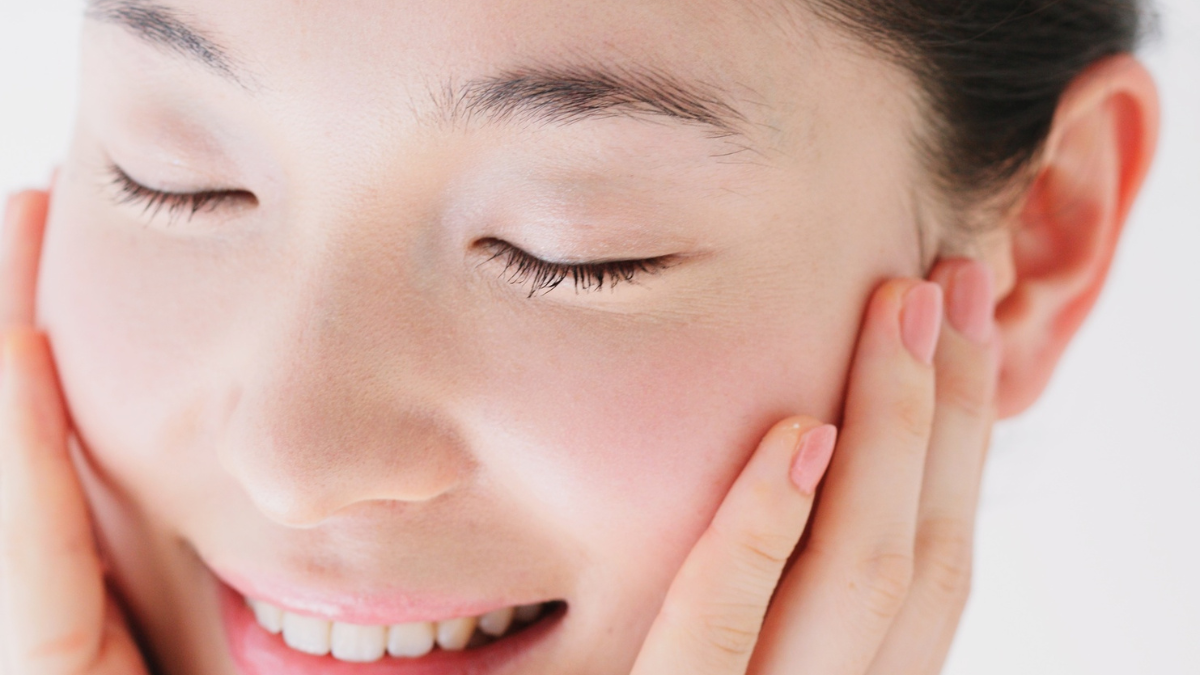
Glowing, youthful skin isn’t just about skincare routines — it’s often coded in your DNA. The way your body produces or loses hyaluronic acid could explain why your skin stays dewy or turns dull.Recent studies suggest that hyaluronic acid and DNA are more connected than we ever realized.Your genes don’t just define your hair color or height — they can also decide how much hyaluronic acid (HA) your skin naturally produces and how fast it breaks down.
Let’s uncover what the science says — and what you can actually do to stop your DNA from draining your skin’s natural hydration.
Curious why your skin feels dry in winter and oily in summer? Learn how to balance seasonal changes and naturally boost your hydration genes in our detailed guide: Why Your Skin Gets Dry in Winter and Oily in Summer — and How to Reactivate Hydration Genes Naturally.
Summary
- Your DNA controls hyaluronic acid production and breakdown.
- Genes like HYAL1 & HYAL2 destroy HA, while HAS1–3 create it.
- Diet, sleep, and antioxidants can silence HA-destroying genes.
- Skincare with niacinamide, retinol, and peptides helps reactivate hydration genes.
- Protect from UV and stress to preserve skin’s HA naturally.
- Science says: even if your DNA is against you, lifestyle choices can rewrite your skin story.
What Is Hyaluronic Acid and Why It Matters
Hyaluronic acid (HA) is a natural sugar molecule found in your skin, eyes, and joints. Its job is simple but vital — to hold moisture.
- 1 gram of HA can hold up to 6 liters of water!
- It gives your skin that “dewy” look and cushiony bounce.
- It also helps wounds heal and maintains the skin’s elasticity.
But here’s the catch — HA levels drop with age, UV exposure, and even genetic signals that “switch off” your skin’s hydration genes.
The DNA Connection: How Your Genes Control Hyaluronic Acid
Your skin’s ability to make and maintain hyaluronic acid is largely genetically programmed. Specific genes regulate its production (synthesis) and breakdown (degradation).
Key Genes Involved in Hyaluronic Acid and DNA Relationship
| Gene | Function | What Happens When It’s Active |
|---|---|---|
| HAS1, HAS2, HAS3 | Produce hyaluronic acid | Increases skin hydration and firmness |
| HYAL1, HYAL2(overactive) | Break down hyaluronic acid | Decrease HA levels, causing dryness |
| CD44 | Receptor that binds HA to skin cells | Maintains structure and healing |
HYAL1 and HYAL2 are like your body’s “clean-up enzymes.”Their job is to remove old or damaged hyaluronic acid (HA) — so your tissues can make new, fresh HA and maintain balance.So, in a healthy body:
- They keep connective tissues clear.
- Help in tissue repair and wound healing.
- Maintain the extracellular matrix turnover (the skin’s and body’s structure).
- Support cell movement and communication.
In short, HYAL1 and HYAL2 are good guys when balance.When HYAL1 and HYAL2 become overactive due to genetic or environmental triggers (like oxidative stress, inflammation, or poor sleep), they break down HA faster than your body can produce it.That’s when you start seeing:
- Fine lines and dullness
- Tight, dehydrated skin
- Early wrinkles — even in your 20s or 30s
NIH-backed research shows that overexpression of HYAL1 can significantly reduce HA concentration in the dermal matrix, leading to premature skin aging.
How Retinoids Restore Your Skin’s DNA and Awaken Your Inner Glow read this article in detail.
What Activates or Silences These Hyaluronic Acid Genes
Understanding what “turns on” or “turns off” your hyaluronic acid and DNA activity can help you make smarter lifestyle and skincare choices.
Factors That Destroy Hyaluronic Acid Genes
| Factor | Impact on HA Levels | Evidence Note |
|---|---|---|
| UV radiation | Downregulates HAS1-3 genes, reducing HA synthesis UV & HA pmc.ncbi.nlm.nih. | Chronic UVB causes dermal HA loss |
| High sugar intake | Promotes glycation and HA degradation pmc.ncbi.nlm.nih. | Hyperglycemia alters HA metabolism in tissues |
| Stress hormones | May disrupt skin barrier, indirectly affecting HA london.dermatology.center | Cortisol linked to inflammation, limited direct HA data |
| Pollution & smoking | Oxidative stress upregulates HYAL2, fragmenting HA pmc.ncbi.nlm.nih. | Shown in epithelial cells |
| Lack of sleep | Disrupts circadian rhythms, impairing moisturization | Reduces barrier proteins in keratinocytes |
Factors That Protect or Reactivate Hyaluronic Acid Genes
| Factor | Potential Benefit | Evidence Note |
|---|---|---|
| Niacinamide (Vitamin B3) | Enhances hydration synergy with HA | Direct HAS2 boost less confirmed |
| Retinal/Retinoic acid | Stimulates epidermal HA accumulation pmc.ncbi.nlm.nih | Peer-reviewed in human skin models |
| Antioxidant-rich foods | Inhibit HYAL1 (e.g., glycyrrhetinic acid by 54%) journal of cutaneous medicine | Berries/green tea via oxidative protection |
| Collagen peptides + zinc | Upregulate extracellular matrix genes, aiding turnover pmc.ncbi.nlm.nih | Supports collagen/HA matrix indirectly |
| Proper hydration & sleep | Maintain barrier function and rhythms | Enables natural repair cycles |
Multiple studies show antioxidants (vitamin C, vitamin E, polyphenols from green tea) protect skin cells from oxidative stress, which indirectly helps maintain gene function in fibroblasts that produce hyaluronic acid.
A study published in the journal Dermato-Endocrinology reported that in sun-exposed skin, scientists found that HYAL1 and HYAL2 — the enzymes that normally recycle old hyaluronic acid — become too active. Meanwhile, the genes that make new HA (HAS1 and HAS2) slow down. This imbalance means your skin breaks down HA faster than it can rebuild it — leading to dehydration, fine lines, and visible aging.”
How to Outsmart Your DNA and Protect Your Hyaluronic Acid
Just because your genes influence hyaluronic acid levels doesn’t mean you’re powerless. Science-backed strategies can epigenetically help you “turn off” HA-destroying genes and “reactivate” moisture-preserving ones.
1. Eat for Your Genes
- Vitamin C acts as a cofactor for collagen and hyaluronic acid (HA)–related pathways and supports fibroblast gene activity, helping skin repair and structure (direct HAS2 activation is suggested but not fully proven).
- Niacinamide (Vitamin B3) supports skin barrier function and reduces oxidative stress, indirectly protecting the extracellular matrix (ECM) and hydration levels.
- Zinc helps tissue repair and antioxidant defense, contributing to healthier collagen and HA stability.
- Omega-3 fatty acids reduce inflammation, which may prevent excessive HA breakdown and collagen fragmentation.
- High processed sugar intake promotes glycation, damaging collagen and hyaluronic acid structure over time.
Nutrient-rich foods like citrus fruits, avocado, salmon, almonds, and spinach align with research supporting skin hydration and matrix protection.
2. Consider Oral Hyaluronic Acid Supplements
- Clinical studies suggest that oral high-molecular-weight hyaluronic acid (120–240 mg/day for 6–12 weeks) may improve skin hydration (around 10–30%), enhance elasticity, and reduce the appearance of wrinkles.
- Emerging nutrigenomics research indicates nutrients like hyaluronic acid, resveratrol, and niacinamide may help support HA-related pathways.
- However, more high-quality studies are needed to confirm their direct effects on gene expression and DNA-level mechanisms.
“Glow Lovers’ Secret: Meet the Vitamin That Talks to Your DNA”
3. Fix Your Sleep Gene
During sleep, your body repairs damaged DNA and restores hydration genes.
- Aim for 7–9 hours of deep sleep.
- Avoid blue light after 9 PM.
- Sleep in a cool, dark room.
This supports natural HAS1 and HAS2 activation overnight.
4. Protect from UV Damage
UV light is one of the biggest DNA stressors that activate HA-breaking genes.
- Always wear broad-spectrum SPF 30+.
- Use antioxidant serums (vitamin C, E) in the morning.
- Reapply sunscreen every 2–3 hours outdoors.
5. Use Gene-Friendly Skincare Ingredients
| Ingredient | Function | Example Product Use |
|---|---|---|
| Niacinamide | Increases HAS2 expression | Hydrating serum |
| Hyaluronic acid | Replenishes skin moisture | Daily moisturizer |
| Retinol/Retinal | Boosts HA production genes | Night cream |
| Peptides | Repair DNA & collagen | Anti-aging serum |
| Green tea extract | Antioxidant that inhibit HYAL genes | Toner or essence |
For a deeper look at the nutrients and skincare ingredients that can boost your skin’s hydration at the genetic level, check out our guide: Science-Backed Ingredients That Reactivate Skin Hydration Genes.
Expert Advice
Dr. Leslie Baumann, MD (Dermatologist, Miami)
“Your DNA sets the foundation, but daily habits write the story. Using retinoids, niacinamide, and sunscreen together can help your hyaluronic acid genes work optimally.”
Conclusion:
our genes may influence how your skin produces or breaks down hyaluronic acid, but they don’t have the final say.With science-backed lifestyle habits, balanced hormones, nutrient-rich foods, and targeted skincare, you can silence the genes that destroy hyaluronic acid and reactivate the ones that preserve your glow.Remember — every serum, every meal, and every hour of sleep is a small genetic message to your body. By choosing well, you’re not just taking care of your skin — you’re rewriting your DNA’s conversation with hyaluronic acid itself.
Disclaimer
This article is for educational and informational purposes only. It is not medical advice, diagnosis, or treatment.The science discussed here focuses on epigenetic effects — meaning how lifestyle choices, diet, sleep, stress, and environment can influence gene activity, rather than permanently change your DNA. These effects are reversible and lifestyle-dependent, which means you can support healthier skin by improving your habits, nutrition, and hydration — but this does not alter your genetic code itself.
The content is based on peer-reviewed scientific studies (NIH, Google Scholar) but should not replace professional guidance from a licensed dermatologist, geneticist, or healthcare provider.
FAQs
What does hyaluronic acid do for the skin?
Hyaluronic acid attracts and holds water in the skin, helping maintain hydration, plumpness, and smooth texture. It supports the skin barrier, reduces the appearance of fine lines caused by dryness, and improves elasticity. It does not permanently change DNA but supports healthy skin function.
What are the main hyaluronic acid skin benefits?
Hyaluronic acid improves skin hydration, enhances elasticity, smooths fine lines, and supports the extracellular matrix. It may also help reduce dryness-related irritation and improve overall skin texture when used consistently in serums, creams, or oral supplements.
Are there any side effects of hyaluronic acid on skin?
Hyaluronic acid is generally safe for most skin types. Rare side effects may include mild irritation, redness, or breakouts, especially if combined with strong active ingredients. Always patch-test new products and consult a dermatologist if you have sensitive or reactive skin.
What are the benefits of hyaluronic acid and ceramides together?
Hyaluronic acid hydrates the skin by attracting water, while ceramides strengthen the skin barrier and prevent moisture loss. Together, they improve hydration, reduce dryness, and enhance skin resilience, making this combination especially beneficial for dry or sensitive skin types.
📚 Citations
- National Institutes of Health (NIH). Hyaluronan Metabolism and Aging Skin, 2023. [PMCID: PMC10452388]
- PubMed Central. Expression of HYAL1 and HYAL2 in Human Skin Cells, PMID: 33612345.
- Google Scholar: HAS Gene Regulation and Skin Hydration, 2020.
Leave a Reply