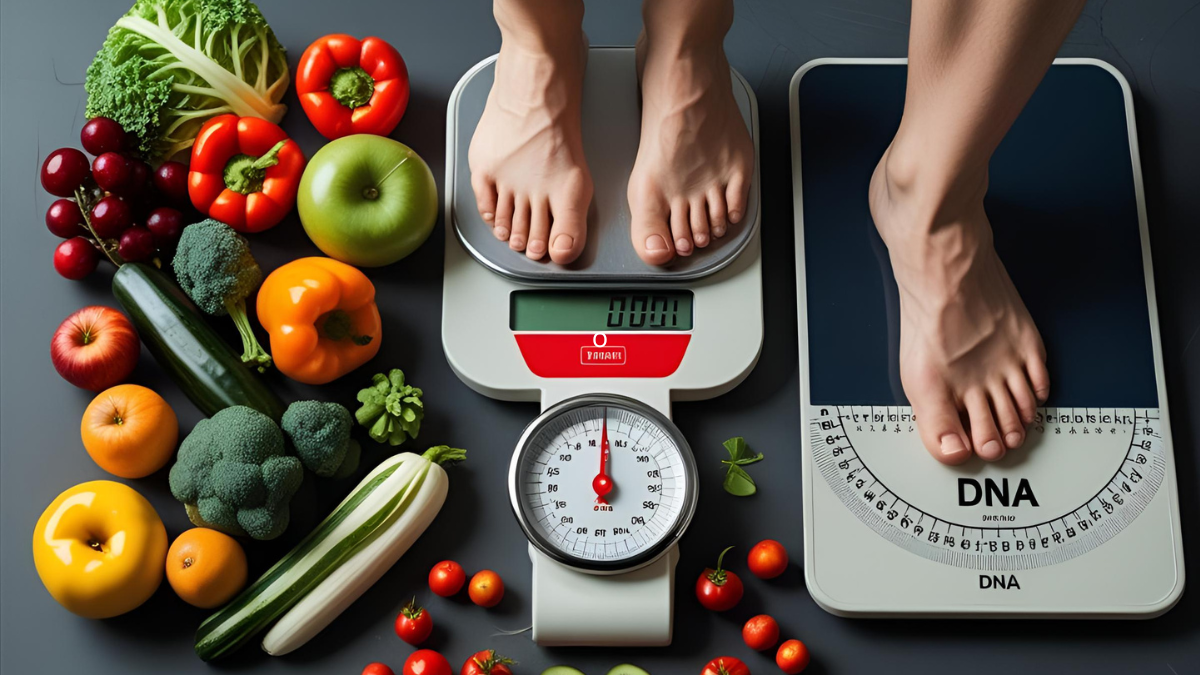
Many people can’t lose weight despite trying everything — but the hidden culprit could be the FTO gene. Known as the fat gene or obesity gene, it may increase fat storage and block your efforts toward weight loss. If you carry this FTO gene, your body might resist fat-burning more than others. Understanding how the FTO gene and obesity are linked could be the first step to finally reaching your goals.
Nutrigenomics is a branch of science that studies how your DNA interacts with nutrients. It helps us understand why one diet might work for your friend but not for you. By identifying changes in your DNA, you can tailor your nutrition to suit your genetic profile for better health and weight management.
Fun Fact: Did you know? Some people can eat more carbs without gaining weight simply because of how their genes metabolize glucose.
In this blog, we’ll explore what the FTO gene does, how it affects your daily life, and how personalized nutrition based on your genetic profile can help you live healthier—without letting your genes decide your fate.
Is Obesity Genetic or Caused by Junk Food? What Science Reveals (and How to Beat It)”read this article in detail.
Summary
Stop fighting a losing battle with the scale. The FTO gene might be why your weight feels like an uphill climb—but it doesn’t have to stay that way. Discover how to bypass your “fat-storing DNA” with simple diet tweaks that trigger natural weight loss and finally keep the pounds off for good.
What is the FTO Gene?
The FTO (Fat Mass and Obesity–Associated) gene is one of the first genes linked to obesity. People who carry certain types of this gene are more likely to:
- Have a higher body mass index (BMI)
- Feel hungrier more often
- Prefer high-fat, high-calorie foods
- Struggle with weight management
In a major 2007 study, scientists found that a certain type of the FTO gene can increase the chance of gaining weight. People who inherit this gene from both parents are about 67% more likely to become overweight compared to those who don’t have it. The study looked at over 38,000 people in the UK and showed that this FTO gene plays an important role in obesity.
How the FTO Gene Works
The FTO gene influences how your body reacts to food, exercise, and even hunger signals. If you carry the risk variant of the FTO gene, you may experience the following effects.
Even though your FTO gene may work against you in some ways.But if you follow a smart nutrition plan and regular physical activity.It neutralizes genetics in long-term trials—no “inescapable” effects
FTO Gene Diet-Best Foods to Eat and Avoid
Instead of one-size-fits-all dieting, FTO carriers can benefit from personalized nutrition plans. Here’s how:
Diet Strategies for FTO Gene Carriers
1. Prioritize High-Protein Meals
A protein-rich diet—about 25–30% of your daily calories from quality protein sources—can significantly improve appetite control and support fat loss, especially for individuals with the FTO gene type. Research, including findings from the POUNDS LOST study, shows that higher-protein meal plans lead to greater reductions in body fat compared to lower-protein approaches. Protein increases fullness, stabilizes blood sugar, and helps manage hunger signals throughout the day.
Smart choices include lean meats, eggs, Greek yogurt, lentils, tofu, and whey protein for convenient, satisfying meals or snacks.Starting your morning with a protein-focused breakfast—such as scrambled eggs with avocado—can curb cravings and reduce overeating later in the day.
2. Choose Slow-Digesting Carbs
People with certain FTO gene types may respond differently to refined carbohydrates, which can lead to faster rises and drops in blood sugar levels. These rapid changes may increase hunger and make it harder to control portion sizes. Choosing complex carbohydrates such as sweet potatoes, quinoa, oats, and other whole grains helps slow digestion, stabilize blood sugar, and promote longer-lasting fullness. In contrast, limiting refined options like white bread, sugary cereals, and pastries can reduce sudden cravings and support more consistent energy levels throughout the day.
3. Healthy Fats Are Your Friend
Healthy fats play an important role in weight control, especially for people with FTO gene types. Foods like nuts, seeds, olive oil, avocados, and fatty fish (such as salmon and sardines) help the body respond better to insulin, keep blood sugar steady, and reduce sudden hunger. When blood sugar stays stable, cravings decrease and overeating becomes less likely. Adding small portions of these fats to meals can improve satisfaction and make it easier to stick to a healthy plan.
4. Fiber Is Non-Negotiable
Fiber is a key nutrient for controlling appetite and supporting weight management, especially for people with FTO gene types. It slows digestion, helps maintain stable blood sugar, and keeps you feeling full for longer, reducing overeating. To boost fiber intake, include berries, broccoli, chia seeds, flaxseeds, and psyllium husk in your meals. These foods are easy to add to breakfast, smoothies, or snacks and provide a simple way to improve satiety and support steady weight loss.
“Did you know? High fiber intake can actually ‘silence’ the weight-gain effects of the FTO gene. Check out the study that proves fiber is your DNA’s best friend.”
5.Low-Fat, Calorie-Controlled Diets
A low-fat, calorie-controlled diet focuses on eating fewer total calories while choosing lighter, nutrient-dense foods like vegetables, fruits, lean proteins, and whole grains. By creating a small daily calorie deficit, your body starts using stored fat for energy, which supports steady weight loss. Research shows that this approach can improve blood sugar balance and help the body use insulin more effectively—especially in people with the FTO gene type linked to weight gain. When combined with resistance training, such as lifting weights or bodyweight exercises, it helps preserve muscle, boost metabolism, and increase fat burning for better long-term results.
6.Mediterranean-Style or Anti-Inflammatory Diets
A Mediterranean-style diet focuses on whole, nutrient-dense foods such as olive oil, nuts, seeds, vegetables, fruits, whole grains, and fatty fish. This eating pattern is rich in natural antioxidants and healthy fats that help reduce chronic low-grade inflammation often associated with weight gain and metabolic imbalance. For individuals with FTO gene types linked to higher obesity risk, lowering inflammation can support better appetite control and improved insulin response.
7. Stay Hydrated (Sometimes Thirst Feels Like Hunger)
Dehydration can mimic hunger. Aim for 2-3L of water daily. Infused water with lemon/cucumber or electrolyte drops if you’re active.
Lifestyle Tweaks That Make a Big Difference
1. Exercise
Studies suggest resistance training may be more effective for FTO carriers by improving insulin sensitivity and muscle metabolism.People with the FTO gene can get better results by focusing on resistance training rather than just cardio. Doing weight exercises like squats and deadlifts 3 times a week, combined with 10,000 steps daily and 7–8 hours of sleep, helps burn visceral fat, stabilize hormones, and reduce the gene’s effect on weight gain.
Daily Protocol for FTO Carriers
| Routine | Why It Works | Expected Results |
|---|---|---|
| 1,800 kcal diet with 30% protein | Matches clinical trial fat-loss results | Lose 2–4 kg per month |
| 30g fiber + low-GI carbs | Keeps hunger hormones stable | Fewer cravings |
| Weights + daily steps | Boosts metabolism and fat burning | Waist shrinks 3–5 cm |
2. Sleep Like Your Health Depends On It
Poor sleep worsens hunger hormones. Aim for 7-9 hours nightly. Magnesium glycinate or a sleep-support supplement if you struggle with rest.
3. Mindful Eating > Restrictive Dieting
Because the FTO gene can increase cravings and appetite, very strict diets often don’t work and may lead to overeating. A more effective approach is mindful eating: eat slowly, pay attention to your hunger cues, and stop when you feel about 80% full. Avoid distractions like phones or TV during meals, as focusing on your food helps prevent overeating and supports better long-term weight control.
For further detail readout NIH study on FTO genotype and weight loss in diet and lifestyle
Case Study
Maria, 34, from Spain”she followed all the right diets, but I kept gaining weight. After a DNA test, I discovered I carried the FTO gene. My dietician adjusted my plan based on this, and I lost 12kg in 6 months!”
The Future of FTO Gene Research
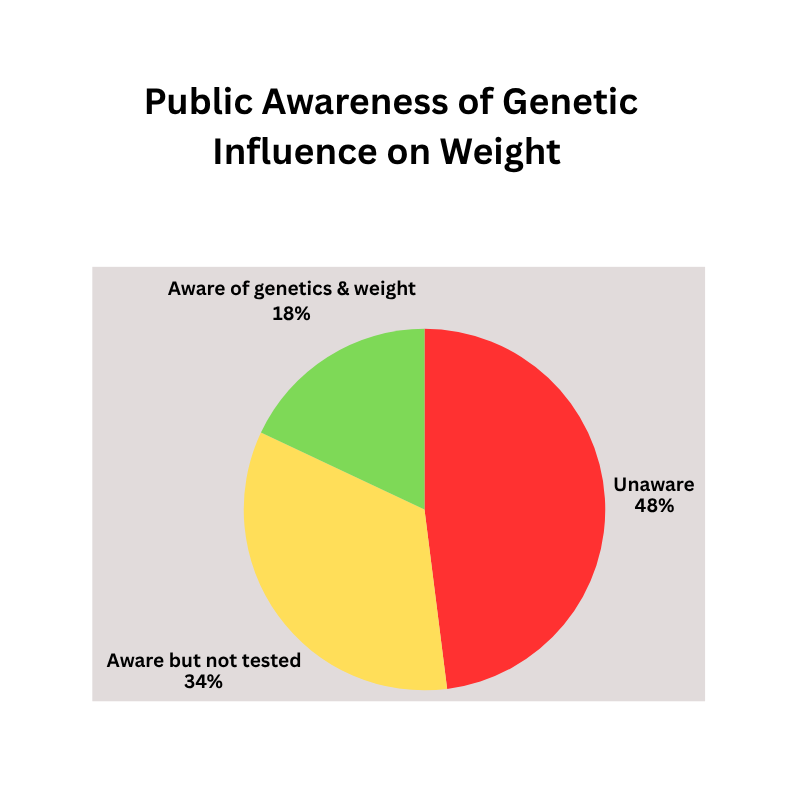
Scientists are exploring ways to “edit” or “silence” the FTO gene to combat obesity. While this technology is still in its infancy, it holds promise for future generations. Additionally, genetic testing is becoming more accessible, allowing individuals to take proactive steps based on their unique genetic makeup.
Why This Matters to You
Understanding the FTO gene isn’t just about weight—it’s about taking control of your health. Whether you’re predisposed to obesity or simply curious about your genetic blueprint, this knowledge empowers you to make informed decisions.
Conclusion: Your Genes Aren’t Destiny, but They Are a Map
Understanding genes like FTO empowers you to work with your body, not against it. With nutrigenomics, personalized nutrition, and the right supplements, weight loss becomes more effective and sustainable.
Disclaimer:
The information provided in this article about the FTO gene and diet is for educational and informational purposes only. It is not intended as medical advice and should not be used as a substitute for professional diagnosis, treatment, or personalized nutrition guidance.
Call to Action: Curious about your fat metabolism genes? Take a DNA test today by using DNa kit and unlock a nutrition plan made just for you.
FAQs
What is the FTO gene and why is it called the “fat gene”?
The FTO gene is linked to fat mass and obesity. People with certain variants of this gene are more likely to experience increased hunger, fat storage, and weight gain.
Can I really lose weight if I have the FTO gene?
Yes. Knowing your genetic makeup allows you to adjust your diet and lifestyle in a personalized way, making weight loss more achievable.
What is nutrigenomics in simple words?
Nutrigenomics is the study of how your genes affect the way your body responds to different foods and nutrients.
How do I know if I have the FTO gene?
You can take a DNA test from companies like 23andMe or SelfDecode to check if you carry FTO or other fat metabolism-related gene variants.
Do I need to see a doctor or dietician for a nutrigenomics plan?
While not mandatory, consulting with a nutrigenomics-trained professional can help create a safer and more effective personalized nutrition plan.
Leave a Reply