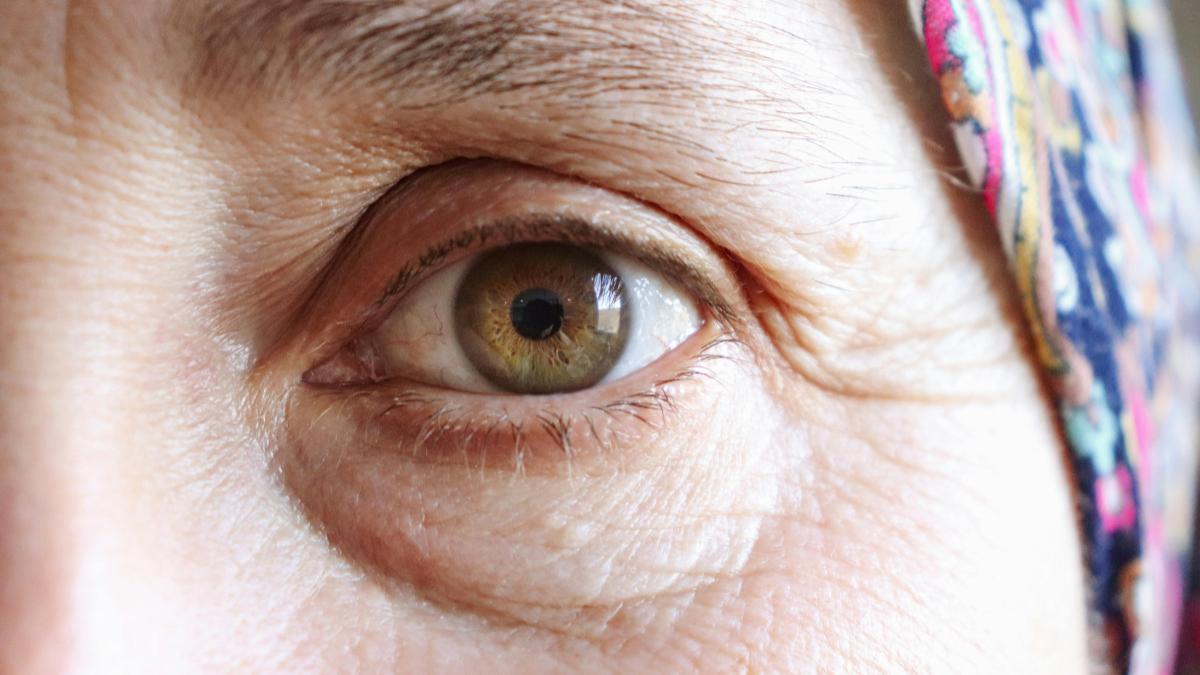
Ever wondered why your skin sometimes looks dull or develops fine lines, even when you’re eating “healthy” foods? The culprit might not be what you think. Sugar face is a growing concept in skincare science, suggesting that sugar in your diet can affect how your skin ages. But what about fruit sugar—does enjoying that morning smoothie or fresh fruit bowl really accelerate wrinkles? In this article, we’ll break down Sugar Face Explained: Does Fruit Sugar Really Age Your Skin?, diving into the science behind sugar and skin aging, and giving you practical tips to enjoy fruits without compromising your glow. By the end, you’ll understand how to make smarter choices for youthful, radiant skin—without giving up the sweet stuff entirely!
Summary
- Sugar face is real and science-backed
- Glycation damages collagen permanently
- Whole fruits are safe in moderation
- Fruit juice is a hidden skin-aging trigger
- Skincare can’t fix sugar damage alone
- Diet plays a key role in skin aging
Your Face Isn’t Aging — Sugar Is Destroying It
Many people blame genetics or natural aging when they notice fine lines, sagging, or dull skin. But research shows that sugar may be silently accelerating skin aging—a phenomenon often called sugar face. This doesn’t mean fruit or desserts alone are ruining your skin, but frequent spikes in blood sugar can trigger a process called glycation, where sugar molecules bind to collagen and elastin, making your skin stiff, brittle, and more prone to wrinkles.
“How Sugar Ages Your Skin”
- Glycation and Collagen Damage: When too much sugar sticks to proteins in your skin, it creates harmful compounds called AGEs(Advanced Glycation End Products). These compounds damage collagen, making your skin less stretchy and causing wrinkles to appear earlier.
- Inflammation:Eating too much sugar can cause inflammation in the body. This can make your skin red, lead to acne, and cause more breakouts.
- Hormonal Effects: Eating too many sugary foods can cause quick rises in insulin. This can make your skin produce extra oil, leading to more acne and faster skin aging.
Research Study:A 2016 study published in the Journal of Investigative Dermatology showed that high-glycemic diets are linked to increased wrinkles and reduced skin elasticity.
Tips:Limit refined sugars, syrups, and sugary beverages. Fruits are okay in moderation because their fiber slows sugar absorption.
What Is Glycation and How It Causes Sugar Face
We often hear the term “sugar face.”But what does it really mean?Sugar face means skin changes caused by eating too much sugar.This includes sugar from sweets and sometimes from fruits.When you eat a lot of sugar, it starts a process called glycation.Glycation happens when extra sugar sticks to skin proteins.These proteins are called collagen and elastin.They keep your skin firm and stretchy.Sugar and proteins join together and form AGEs.AGEs stands for Advanced Glycation End Products.AGEs make your skin hard and stiff.Your skin loses its bounce and glow.Over time, this can cause:
- Fine lines
- Wrinkles
- Sagging skin
- Dull-looking face
Studies show glycation can make collagen much weaker over time.Weak collagen makes skin age faster.Fruit sugar can also affect skin if eaten in very large amounts.But whole fruits also have fiber and antioxidants.These healthy parts help protect your skin.That is why whole fruits are safer than sugary drinks.
Tips:Foods rich in vitamin C, E, and polyphenols help repair collagen and fight AGEs.
Does Fruit Sugar Really Age Your Skin?
This is where many people feel confused.When they hear the term “sugar face,” they think all sugar is bad for skin, even sugar from fruit.Fruit contains fructose, which is a natural sugar.But that does not mean fruit is bad for your skin.Eating fruit does not automatically cause wrinkles or skin aging.
Fruits are full of vitamins, antioxidants, and fiber.These nutrients help protect your skin and keep it healthy.Too much refined sugar can damage collagen and cause wrinkles.But fruit sugar works differently.
The fiber in fruit slows down sugar absorption.This helps reduce skin damage.Fruits like berries, apples, and oranges are safe when eaten in moderation.They can even help your skin look bright and youthful.Vitamin C in citrus fruits helps your skin make collagen.Antioxidants in berries protect skin from stress and damage.
Tip:Try eating fruit with protein or healthy fats.
For example, eat fruit with nuts or yogurt.
This slows sugar absorption and lowers the risk of skin aging.
Natural Sugar vs Added Sugar: The Skin Aging Difference
Understanding sugar face starts with knowing which sugars affect your skin most. Not all sweet foods are equal—some may even protect your skin while others accelerate aging.
| Sugar Type | Effect on Skin |
|---|---|
| Whole fruits | Low glycation risk |
| Fruit juice | Moderate risk |
| Smoothies (overblended) | Higher sugar spike |
| Added sugar | High glycation |
| Soda / sweets | Severe skin damage |
Whole Fruits: Nature’s Skin Protectors
Whole fruits are packed with fiber, antioxidants, and polyphenols, which help slow sugar absorption and protect collagen and elastin—the proteins responsible for firm, youthful skin. Eating whole fruits regularly can actually help prevent sugar face.
Fruit Juice & Overblended Smoothies: Sugar Face Risk
Fruit juices and very smooth smoothies may seem healthy.But they are missing fiber.Fiber helps slow down sugar absorption in the body.Without fiber, sugar enters the blood very fast.This causes sugar spikes.High sugar spikes can lead to glycation.Glycation can damage skin proteins.Over time, this may cause fine lines.Skin can also look dull and tired.Drinking these often can slowly harm your skin.This is one reason people develop sugar face.
Added Sugars & Sweets: The Real Culprits
Candies, sodas, and other processed sweets deliver high doses of sugar that directly contribute to glycation, collagen breakdown, and visible skin aging. These are the foods most strongly linked to sugar face.
Tip: Favor whole fruits, limit juices and smoothies, and cut back on added sugars to protect your skin from premature aging.
Signs Your Skin Is Suffering From Sugar Damage
Not all skin aging comes from sun exposure or lack of skincare—sometimes, the culprit is hidden in your diet. Sugar face can silently affect your skin, and recognizing the signs early is key to prevention.Common sugar face symptoms include:
- Puffy or sagging cheeks
- Deep smile lines
- Yellowish or dull skin tone
- Loss of firmness
- Fine lines that don’t respond to creams
Dermatologists note that skin damaged by glycation often responds poorly to typical skincare products. That means even the best moisturizers and anti-aging serums may have limited effect if sugar intake isn’t controlled.By identifying these signs of sugar face, you can take proactive steps—like reducing added sugars and eating collagen-protective foods—to keep your skin firm, radiant, and youthful.
Sugar Face Before & After: What Science Shows
Clinical nutrition studies show:
- Reduced sugar intake improves skin elasticity
- AGE levels drop after dietary changes
- Skin brightness improves within 8–12 weeks
How Much Sugar Starts Aging Your Skin?
Wondering how much sugar is too much for your skin? Excess sugar in your diet is a major contributor to sugar face, accelerating fine lines, sagging, and dullness through a process called glycation.
According to the World Health Organization (WHO), adults should limit free sugar intake to less than 10% of daily calories, with additional health benefits seen when intake is reduced to around 5% (about 25 grams or 6 teaspoons per day).
Studies show that once sugar intake exceeds these limits, glycation accelerates, especially when sugar comes from beverages like sodas, sweetened coffee, and fruit juices. These high-sugar drinks cause rapid blood sugar spikes, increasing the risk of sugar face even if the rest of your diet is healthy.
Health tip: Track your sugar intake, choose whole fruits over juices, and limit processed sweets to protect your skin from early aging.
Why Skincare Stops Working When Sugar Damage Starts
Many people notice that after a certain age, their favorite creams and serums suddenly stop delivering results. This frustration is often linked to sugar face, not poor skincare choices.
No topical product can:
Break AGE (Advanced Glycation End-product) bonds
Repair hardened or cross-linked collagen
According to dermatological research, glycation causes collagen fibers to stiffen and lose flexibility deep within the skin—an area skincare products cannot reach. This is why surface treatments fail to reverse fine lines, sagging, or dullness once sugar face damage begins.That’s why so many people say:“My skincare stopped working after 30.”The real issue isn’t product failure—it’s internal sugar-driven damage affecting skin structure from within.
Real-Life Insight
Dermatology clinics report:
- Patients with high blood sugar show earlier wrinkle formation
- Skin healing slows in prediabetic individuals
Expert Advice
Dermatologist-recommended strategies:
- Eat whole fruits, not juices
- Pair carbs with protein/fat
- Reduce sugary drinks
- Increase antioxidants (berries, green tea)
- Control blood sugar spikes
Foods That Help Fight Skin Glycation
| Food | Why It Helps |
|---|---|
| Blueberries | Polyphenols block AGEs |
| Green tea | Reduces glycation |
| Nuts | Stabilize blood sugar |
| Leafy greens | Antioxidant rich |
| Omega-3 fats | Improve skin elasticity |
Disclaimer
This content is for educational and informational purposes only and is not intended as medical advice. It does not replace professional diagnosis, treatment, or guidance from a qualified healthcare provider. Always consult a dermatologist, physician, or registered dietitian before making changes to your diet, skincare routine, or health practices.
FAQ
Q1: Can sugar damage to skin be reversed?
Partial improvement is possible by reducing sugar and increasing antioxidants.
Q2: Does natural sugar age you?
Whole fruit sugar is safe; processed sugar is damaging.
Q3: What causes sugar face?
Chronic glycation from excess sugar intake.
Q4: How long does it take to see skin improvement?
8–12 weeks after sugar reduction.
Scientific References
- National Institutes of Health (NIH)
- PubMed / Google Scholar
- World Health Organization (WHO)
Leave a Reply