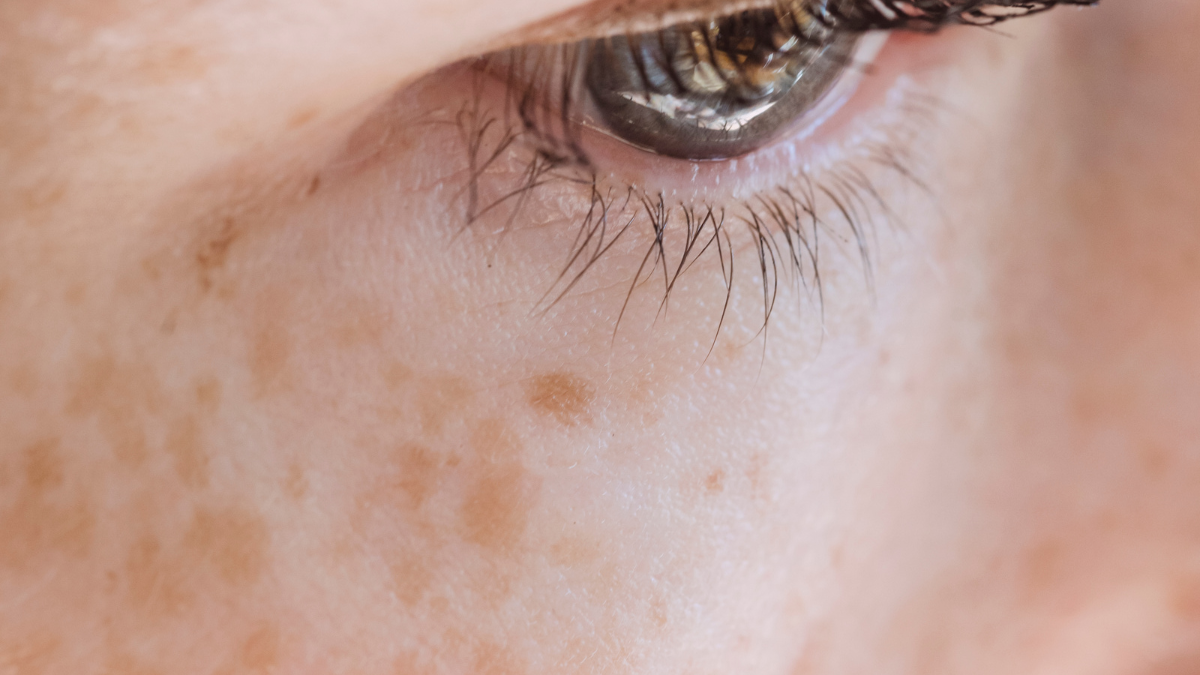
Have you noticed your skin getting darker without sun exposure even while taking vitamin D supplements? Many people experience this and feel confused. They ask, “Why is my skin getting darker for no reason?” or “Can vitamin D change skin pigmentation?” This situation can feel frustrating, especially when you are trying to improve your health.
Vitamin D is essential for many body functions. It supports bones, immunity, and even skin health. But some people report that their skin tone looks darker or uneven after starting vitamin D. This raises many questions about vitamin D and skin pigmentation, and whether supplements can affect melanin levels.
The truth is more complex than it seems. Skin color changes can happen because of genetics, melanin production, hormone balance, or conditions like acanthosis nigricans. In some cases, a person may also notice dark patches on the skin or sudden pigmentation changes while correcting a vitamin D deficiency.
Recent research suggests that genes may play an important role in how your body responds to vitamin D. Certain gene variations influence melanin production and how skin cells react to sunlight and nutrients. This means two people taking the same supplement may experience completely different skin responses.
In this article, we will explore why skin may be getting darker without sun, the connection between vitamin D and melanin, and how genetic factors may influence skin pigmentation. We will also look at possible causes of dark patches, vitamin deficiencies, and simple nutrigenomic strategies that may help support healthier skin.
Certain green vegetables contain powerful antioxidants that help protect your skin cells. Learn how they can stop sun damage at the DNA level and slow skin aging.
Summary
Your skin color, vitamin D levels, and nutritional needs are all connected to your DNA. Learn how pigmentation genes, vitamin D pathway genes, and nutrigenomics work together — and what your genetics might be telling you about your health.
Why Is My Skin Getting Darker? 4 Simple Reasons
Have you noticed your skin tone getting deeper lately? If you’ve been spending more time in the sun to get your Vitamin D, you aren’t alone.
It can be a bit surprising to see your skin change color so fast. Here is the simple truth about why your skin gets darker and how it connects to your health.
1.Your Body’s Natural Sunshield
The most common reason is simple: UV exposure. When you go outside to “naturally” get Vitamin D, your skin protects itself. It creates a pigment called melanin. Think of a tan as your body’s way of putting on a natural umbrella to keep your cells safe.
2.It’s in Your DNA
Ever wonder why your friend barely tans while you get dark instantly? It’s all in your genes. Some people have “tanning genes” (like MC1R) that tell their skin to produce extra pigment the moment the sun hits them. Your DNA basically decides how “dark” your tan volume goes.
3.A Slow Vitamin D Response
Some people’s bodies are a little slower at making Vitamin D from the sun. If your body takes a long time to create the nutrient, you end up staying outside longer. This means you get a much deeper tan before your Vitamin D levels actually go up.
4.The Vitamin D “Talk”
Scientists found that Vitamin D and skin color actually talk to each other. When you have more Vitamin D signaling in your skin, it can sometimes tell your body to make even more pigment. It’s a cycle: more sun leads to more Vitamin D, which can sometimes lead to darker skin.
Your body’s ability to repair skin damage also depends on genetics. Learn more about how your genes decide how well vitamin C repairs your skin.
Why Some People Tan More and Make Vitamin D Differently
Did you know your genes control how much vitamin D your body makes from sunlight? It’s true. Two people can stand in the same sun for the same amount of time — and get completely different results. Certain genes like CYP2R1 and SLC24A5 shape both your skin tone and your vitamin D levels. Darker skin has more melanin, which is great for blocking harmful UV rays. But that same melanin also slows down vitamin D production. That’s why some people with darker skin are more likely to have low vitamin D — even when they spend plenty of time outdoors. Your vitamin D isn’t just about sun exposure. It’s written in your DNA.
Studies on vitamin D and pigmented skin suggest that higher melanin levels may lower vitamin D production from sunlight, which can increase the risk of deficiency.
Why Your Genes and Skin Color Are Deeply Connected
Humans slowly adapted to the amount of sunlight in their local environment over thousands of years. People near the equator developed darker skin to block strong UV rays. People in cloudy, low-sun regions developed lighter skin to absorb more sunlight. But skin color wasn’t the only thing that changed. Vitamin D genes evolved at the same time. Your body learned to make, carry, and use vitamin D based on where your ancestors lived. So your skin tone and your vitamin D system are connected — both shaped by the same evolutionary story.
How Your Genes and Diet Work Together to Shape Your Skin
Your genes don’t just control your skin color — they also affect how your body uses vitamins and nutrients. This is called nutrigenomics. Genes like OCA2 and SLC24A5 decide how much melanin your skin makes. But those same genes can also change how your body handles vitamin A, C, D, and B vitamins. People with different ancestries can have completely different vitamin needs because of this. And what you eat can actually affect how your pigmentation genes behave. So your skin color and your nutrition are more connected than most people realize.
What to Eat Based on Your Skin Genes
| Category | What to Do | Why It Helps |
|---|---|---|
| Fatty Fish (salmon, mackerel) | Eat 2-3 times a week | Boosts vitamin D and calms skin inflammation |
| Eggs & Mushrooms | Include daily | Natural vitamin D without too much sun |
| Vitamin C foods (oranges, bell peppers, guava) | Eat daily | Blocks melanin overproduction, supports collagen |
| Vitamin B12 (dairy, eggs, clams) | Eat regularly | Fixes dark patches caused by B12 deficiency |
| Spinach & Nuts | Add to meals | Fights oxidative stress that causes pigment buildup |
| Morning Sunlight | 10 minutes daily | Natural vitamin D without tanning risk |
| SPF 30+ Sunscreen | Every day, even indoors | Prevents UV from triggering excess melanin genes |
| Sleep 7-9 Hours | Every night | Allows overnight melanin repair in skin cells |
| Stress Management (yoga, meditation) | Daily habit | Lowers cortisol that causes dark spots |
| Vitamin D Supplements | Take with fatty meals | 30% better absorption with food |
Research shows that hyperpigmentation can sometimes appear as an early sign of vitamin B12 deficiency, especially on the face, hands, and neck.
Conclusion
Skin color and vitamin D are not simple topics. They are deeply connected to your DNA, your ancestry, and your diet. Two people can look the same on the outside and have completely different vitamin needs on the inside. That’s the power of nutrigenomics. Your genes shaped by thousands of years of evolution are still working for you today. The best thing you can do is stop guessing. Get tested. Know your numbers. And build a nutrition plan that actually fits your unique genetic blueprint. Because when it comes to your skin and your health — one size never fits all.
Disclaimer
This article is for informational purposes only. It is not medical advice. Always consult a qualified healthcare provider or registered dietitian before making changes to your diet, supplements, or skincare routine. Genetic testing results should always be interpreted by a licensed professional.
FAQs
Can Too Much Vitamin D Cause Hyperpigmentation?
Too much vitamin D does not directly cause hyperpigmentation. Research shows vitamin D supplements do not increase melanin in normal doses. Skin darkening is usually linked to sun exposure, genetics, or existing pigmentation conditions.
What Deficiency Causes Dark Patches on Skin?
Several nutrient deficiencies can cause dark patches on skin. The most common ones include vitamin B12 deficiency, vitamin D deficiency, and iron deficiency. These nutrients support healthy skin cells and balanced melanin production.
What Causes a Sudden Black Spot on Skin?
A sudden black spot on skin may be caused by sun spots, moles, post-inflammatory hyperpigmentation, or minor skin damage. If the spot grows quickly, changes shape, or becomes painful, it is best to consult a dermatologist.