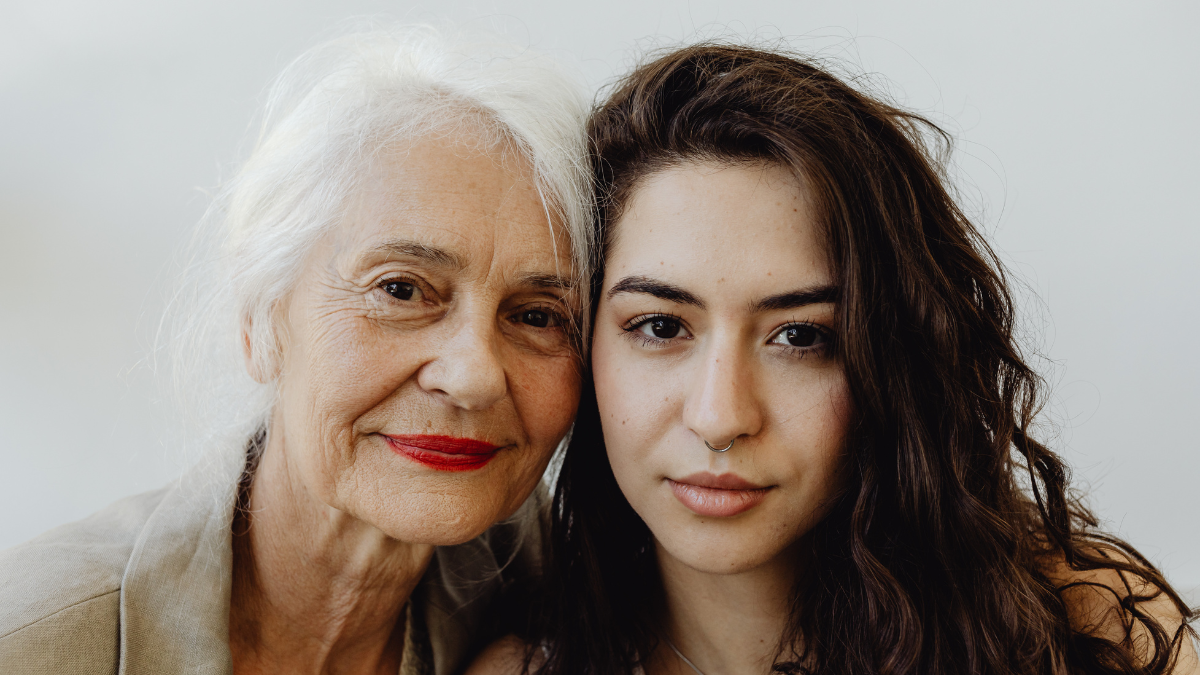
“I’m 17, but everyone thinks I’m my mom’s older sister.” This heartbreaking quote from a viral Reddit thread perfectly captures a growing trend: teenagers feeling like they are aging in fast-forward. If you’ve ever looked in the mirror and asked, “Why do I look older than my age at 16 or 17?”, you aren’t alone.
While Quora is flooded with users asking “What is it called when you look older than your age?”, the answers usually stop at ‘genetics.’ But there is a deeper story. From the “Gen Z aging” phenomenon to hidden lifestyle factors, many young people are accidentally accelerating their biological clock.
Whether you’re 18 and dealing with facial volume loss, or 35 wondering how to look like 25 again, understanding the real reasons no one talks about—like cortisol skin damage and specific vitamin deficiencies—is the first step. It’s not just about a looking old at young age disease; it’s about how our modern world is etching lines into young faces.
In this guide, we’ll dive into the science of why your beauty peak might feel out of reach and how to reverse the signs of accelerated aging naturally.
Curious how your diet is affecting your skin? Check out our guide: Your Face Isn’t Aging — Sugar Is Destroying It to learn how sugar and glycation accelerate premature aging.
The “Gen Z Aging” Controversy — Are Skincare Routines Backfiring?
Is Your 10-Step Routine Making You Look 30 at 17?
The skincare boom has hit Gen Z hard. Teens are layering retinol, harsh acids, and exfoliants daily. Instead of glowing, many end up with skin barrier damage, redness, and inflammation. Over-exfoliation strips protective oils, leading to premature aging signs like fine lines and dullness.
Cosmetic Fatigue and Skin Barrier Damage in Teens
Your skin barrier is like a shield. When it’s stripped by too many products, it loses moisture and elasticity. That’s why some 16‑year‑olds ask, “why do I look older than my age at 16?” The answer often lies in skincare misuse.
Chronic Inflammation = Faster Visible Aging
Inflammation is silent but powerful. Chronic irritation from products or acne triggers oxidative stress, breaking down collagen.Chronic stress can wear down the skin’s antimicrobial barrier through cortisol, accelerating premature aging and visible lines.
Hidden Reasons You Look Older That No One Talks About
The “Sugar Face” — How Sugar Breaks Your Skin
Eating too much candy and soda causes something called glycation. This happens when sugar sticks to your skin’s collagen and makes it hard like a dry sponge. Instead of being bouncy, your skin starts to sag and get wrinkles early. This is a major reason for accelerated aging in teenagers today. Healthline explains that cutting sugar can help your skin stay young.
Learn more about how sugar and glycation affect aging skin and tips to prevent premature wrinkles from reputable sources NIH.
Digital Aging — How Phones Damage Your Collagen
Your phone and laptop screen give off blue light, also called HEV light. This light goes deep into your skin and causes oxidative stress. It breaks down the collagen that keeps your face looking full and fresh. If you spend hours on TikTok, you might be accidentally causing digital aging on your face.
Stress Face — Why Being Worried Makes You Look 30
When you are stressed, your body makes a hormone called cortisol. High cortisol levels actually shorten your telomeres, which are like the plastic tips on shoelaces for your DNA. When these shorten, your biological age goes up even if you are only 17. This creates deep lines and makes you ask, “Why do I look older than my age at 17?” The American Psychological Association shows how stress physically changes your appearance.
For a deeper understanding of how stress impacts cellular aging, see the research on Stress and Telomere Biology
Growing Up Too Fast — Responsibility and Your Face
If you have a lot of “adult” stress, your facial muscles stay tight and “hardened.” Carrying heavy burdens can also ruin your posture, leading to neck strain and a tired look. This makes a teen look much older than their friends who have less stress. This is often why Gen Z is looking so old compared to past generations.
Eyebrows, Posture, and Face Fat — Visual Aging Tricks
Eyebrow Contrast — The Secret to a Young Face
Your eyebrows frame your whole face. If your brows are very thin or light, it is called low eyebrow contrast. Scientists say this makes a face look “faded” and much older than it is. Keeping your brows defined is a simple trick to look your actual age.
Mid-Face Volume Loss — The “Hollow” Look
Losing weight too fast or doing too much running can cause facial fat loss. When you lose the fat in your cheeks, your face looks hollow and tired. This mid-face hollowing is a big reason why an 18-year-old might look like they are 25.
Posture Aging — How Slouching Ruins Your Jawline
Leaning over your phone all day causes posture aging. Slouching makes your jawline look weak and creates a “double chin” even if you are thin. Standing tall keeps your facial muscles tight and youthful. It is one of the 5 subtle signs you are aging well if you have great posture.
Why Millennials Look Younger While Gen Z Feels Older
Many people ask, “Why is Gen Z looking so old?” while Millennials seem to be aging backward. Millennials had less blue light exposure and ate less processed food when they were 16. Today, Gen Z faces burnout by 20 due to constant social media and high oxidative stress. This “burnout” shows up on the skin as premature aging.
What Deficiencies and Health Issues Make You Look Older?
If you lack Vitamin C, your skin can’t make strong collagen, making it look dull. Low Vitamin D makes your face look pale and tired all the time. An iron deficiency is a common cause of dark circles and brittle hair in teens. Also, a Zinc deficiency stops your skin from healing acne scars, which adds years to your look.
Which Body Part Ages the Fastest?
The skin around your eyes is very thin, so fine lines usually show up there first. Your neck can start sagging early, especially if you watching down at your phone too much. Hands also age fast because the skin is thin and shows visible veins easily. These areas often show premature aging before the rest of your body does.
Protect your skin from sun damage and fight premature aging with the right foods — read more about the green vegetable that stops sun damage at the DNA level in our detailed guide.
Looking Old at a Young Age — Could It Be a Disease?
Sometimes, seem older isn’t just about sleep; it could be a medical condition. Problems like thyroid disorders or PCOS can cause puffiness, weight changes, and skin dullness. In very rare cases, a looking old at young age disease called Progeria causes extreme aging. If you feel healthy but look much older, it is smart to check your hormonal balance with a doctor.
5 Subtle Signs You Are Actually Aging Well
- Skin resilience: Your skin “bounces back” quickly after a pinch, showing good elasticity.
- Laugh lines: Presence of gentle laugh lines instead of deep, stagnant wrinkles indicates healthy aging.
- Healthy gut: Proper digestion and gut health support overall body repair.
- Balanced hormones: Hormonal balance helps your body maintain repair and regeneration from the inside.
- Subtle signs overall: These indicators show you are aging gracefully, even if you don’t notice it.
Why Expensive Creams Don’t Fix “Stress Face”
Many people buy pricey creams to fix stress face, but they usually don’t work. This is because stress causes inflammation and telomere shortening deep inside your cells. Creams can’t fix cortisol damage or a hormonal imbalance that started in the brain. To fix this, you need sleep, meditation, and a healthy diet to heal your skin barrier.
How to Look 25 at 35 — Science-Based Recovery Plan
To appear like 25 at 35, you must fix your skin barrier with gentle cleansers and ceramides. One big secret is the Millennial pure diet, which focused on “real food” rather than the ultra-processed snacks many teens eat today. Eating pure, whole foods like fruits and healthy fats keeps your skin from getting glycation (sugar damage). This diet aging factor is why many Millennials still have a youthful glow in their 30s.
Getting 8 hours of deep sleep helps your body repair oxidative stress while you rest. Adding Omega-3s and antioxidants to your meals keeps your skin firm and stops premature aging. Fixing your posture and taking a digital detox can also take years off your face instantly. If you want to know how to look 25 at 35, start by eating like a Millennial and avoiding the “Sugar Face” traps.
Case Study
Margaret grew up in a world without ultra-processed foods or “Sugar Face” traps. Her diet was built on antioxidants from home-grown vegetables and healthy fats like real butter and olive oil. Because she avoided glycation (sugar damage) for the first 40 years of her life, her collagen stayed flexible.
Even at 80, Margaret’s skin “bounces back”—one of the 5 subtle signs you are aging well. While a 17-year-old today might ask, “Why do I appear older than my age at 17?” due to high-fructose corn syrup, Margaret’s pure diet protected her telomeres. Her biological age is officially 15 years younger than her birth certificate says. According to The Blue Zones research, this “clean eating” is why some people stay 25-at-heart even at 80.
Conclusion
So, why do I seem older than my age? The answer lies in a mix of science, lifestyle, and hidden habits. From collagen loss and oxidative stress to digital aging and nutrient deficiencies, the causes are real — but reversible. With the right recovery plan, you can slow premature aging and even look younger than your chronological age.
Disclaimer
This article is for educational and informational purposes only. It is not a substitute for professional medical advice, diagnosis, or treatment. Skin aging and appearance can vary due to many personal and medical factors. Always consult a qualified dermatologist or healthcare professional if you have concerns about your skin, health, or signs of premature aging.
FAQs
Why do I look older than my age?
Due to premature aging caused by stress, barrier damage, collagen loss, and lifestyle habits.
Why do I look older than my age at 16 or 17?
Usually from skincare overuse, poor sleep, screen time, and stress.
What is it called when you appear older than your age?
Premature aging.
What makes a woman seem older than her age?
Hormones, sun damage, dehydration, and collagen loss.
Which body part ages the fastest?
Eyes, neck, and hands.
What deficiency makes you appear older?
Vitamin D, C, iron, omega-3, and protein deficiency.