Your skin feels oily. But it still gets irritated. That’s a sign your skin barrier may be damaged.
Many people with oily, acne-prone skin focus only on skincare products. But that’s only part of the picture. Diet matters too. What you eat can directly affect your skin barrier health.
The right foods can support your skin’s natural protective barrier. Some nutrients help reduce inflammation. Others support healing. And some simply improve your overall skin health. On the flip side, certain foods can make breakouts worse. They can also make barrier damage harder to repair.
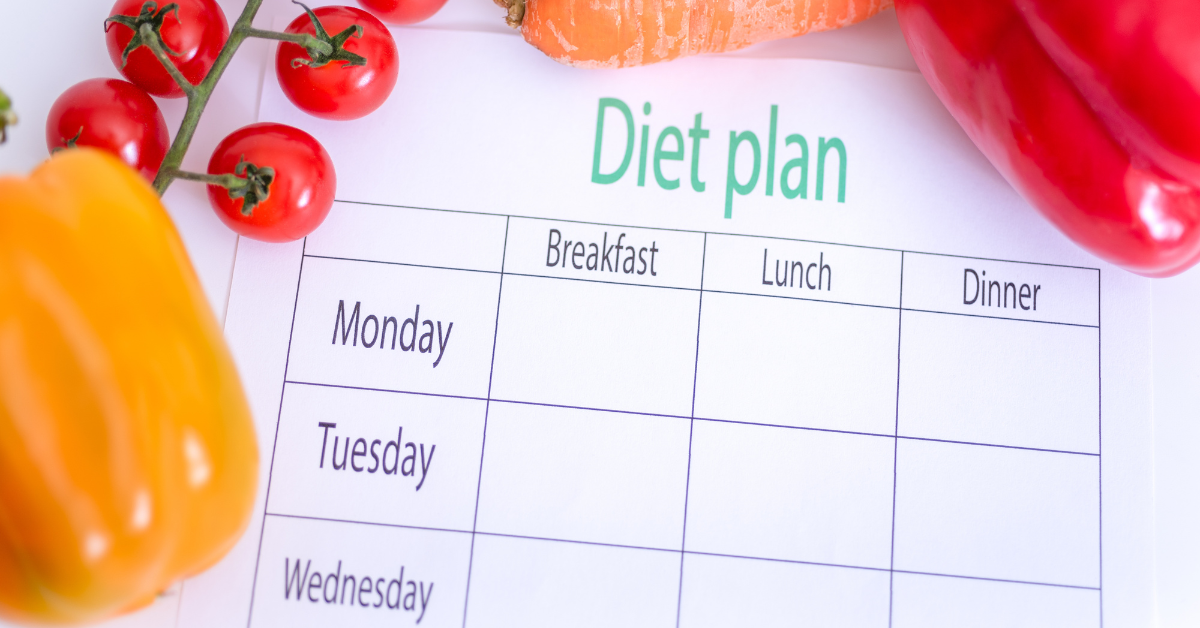
This 7-day skin barrier repair diet is built for oily, acne-prone skin. It’s designed to help you make better food choices. Choices that support recovery. The meal plan includes nutrient-rich options that may help strengthen a damaged skin barrier. It also supports clearer skin at the same time.
So what will you learn from this guide? You’ll find out the best foods for skin barrier repair. You’ll discover the key nutrients your skin actually needs. And you’ll get a simple 7-day meal plan made for oily, acne-prone skin.
For more tips on repairing a damaged skin barrier, read our detailed guide on Hydration Foods for Oily Acne-Prone Skin Barrier Repair and discover the best foods to support healthy, balanced skin.
Why Diet Matters for Skin Barrier Health
Your skin barrier is the outer layer of your skin. Think of it as your skin’s first line of defense. It keeps moisture in. It keeps irritants out. When it gets damaged, things go wrong. Your skin may feel oily. It may feel sensitive or tight. Breakouts can become more frequent too.
Most people reach for skincare products when this happens. That makes sense. But here’s something many people overlook. Your diet plays a big role in skin barrier health. The foods you eat every day give your skin the nutrients it needs. Without those nutrients, your skin struggles to repair and protect itself.
So what should a good skin barrier repair diet look like? It should include healthy fats. It needs protein. Vitamins and minerals matter too. These nutrients work together. They support your skin’s natural barrier. They also help your skin function better overall.
Some foods go a step further. They actually help reduce inflammation. That’s a big deal. Why? Because ongoing inflammation is a real problem. It weakens your skin barrier over time. It also makes acne worse.
Now here’s the other side of it. A poor diet can slow everything down. Highly processed foods don’t help your skin. Neither do sugary snacks. Unhealthy fats can add to the inflammation. For some people, these foods make skin issues noticeably worse.
That’s where a 7-day skin barrier repair diet comes in. It helps you shift your focus. You start choosing foods that actually support recovery. Will your skin heal overnight? No. Diet doesn’t work that way. But it gives your skin the building blocks it needs to get better.
And if you have oily, acne-prone skin, this approach makes even more sense. Pair a healthy diet with a gentle skincare routine. Do both consistently. Over time, you may notice a stronger skin barrier. Your skin may start looking and feeling healthier too.
Research on Feeding the Skin Barrier, The Impact of Macro‐ and Micronutrients on Skin Barrier Function highlights how essential nutrients support skin barrier integrity, hydration, and overall skin health. Read the full study for a deeper understanding of the diet–skin barrier connection.
Key Nutrients for Barrier Repair
A healthy skin barrier repair diet for oily acne-prone skin should include nutrients that support skin recovery. These nutrients help the skin stay strong and hydrated. They also support the natural repair process of a damaged skin barrier.
Omega-3 Fatty Acids
Omega-3 fats help support skin barrier health. They may reduce inflammation and support healthy skin function. Fatty fish, walnuts, and flaxseeds are good sources. Adding these foods to your skin barrier repair diet can support healthier skin.
Prebiotics and probiotics
Prebiotics and probiotics are also important for a healthy skin barrier. Prebiotics are fibers that feed beneficial gut bacteria. Probiotics are the beneficial bacteria themselves. A balanced gut microbiome may help support the immune system and reduce inflammation. This can benefit both oily acne-prone skin and overall skin health.
Foods such as yogurt, kefir, kimchi, sauerkraut, bananas, oats, onions, and garlic can be useful additions to a skin barrier repair diet. Including these nutrients regularly may help support a stronger skin barrier over time.
Research suggests that dietary choices may influence skin barrier function and overall skin health. A study on the role of dietary interventions and skin barrier function highlights how nutrition can support the skin’s protective barrier and repair processes. Read the study here: Diet and Skin Barrier: The Role of Dietary Interventions on Skin Barrier Function.
Zinc
Zinc is important for skin repair. It helps support wound healing and normal skin function. Many people with acne look for zinc-rich foods because zinc plays a role in skin health. Good sources include pumpkin seeds, beans, lentils, and seafood.
Vitamin A
Vitamin A supports skin cell turnover. It helps maintain healthy skin and supports a stronger skin barrier. Sweet potatoes, carrots, spinach, and pumpkin are rich in vitamin A. These foods fit well into a 7-day skin barrier repair diet.
Vitamin C
Vitamin C supports collagen production. It also acts as an antioxidant that helps protect the skin. Citrus fruits, strawberries, kiwi, and bell peppers are excellent sources. Including vitamin C-rich foods may support skin barrier repair.
Protein
Protein provides the building blocks your skin needs. Without enough protein, the repair process may be slower. Eggs, fish, chicken, beans, lentils, and Greek yogurt are good choices. Protein is an important part of any diet for oily acne-prone skin.
Water and Hydrating Foods
Hydration supports a healthy skin barrier. Water-rich foods can also help. Cucumbers, watermelon, oranges, and lettuce are simple options. Staying hydrated supports overall skin barrier health and healthy-looking skin.
7-Day Skin Barrier Repair Diet Plan
Day 1
Start your day with oatmeal and berries. Have a boiled egg for extra protein. Lunch can include grilled chicken, brown rice, and salad. Choose a handful of walnuts as a snack. For dinner, eat baked salmon with steamed vegetables. This combination provides nutrients that support skin barrier repair and overall skin health.
Day 2
Eat Greek yogurt with chia seeds at breakfast. Have an apple as a snack. For lunch, choose lentils with mixed vegetables. Snack on cucumber slices. Dinner can include grilled fish with sweet potatoes. This day supports a healthy skin barrier repair diet for oily acne-prone skin.
Day 3
Start with eggs and whole-grain toast. Enjoy an orange between meals. Lunch can be quinoa with vegetables and chicken. Have pumpkin seeds as a snack. End the day with baked fish and broccoli. These foods provide key nutrients for skin barrier health.
Day 4
Prepare a smoothie with spinach, berries, and yogurt. Have a pear as a snack. Lunch can include chickpeas and fresh salad. Snack on a few almonds. Dinner can be grilled chicken with brown rice and vegetables. This meal plan supports a stronger skin barrier.
Day 5
Eat oatmeal topped with flaxseeds at breakfast. Have kiwi as a snack. Lunch can include tuna and mixed greens. Snack on carrot sticks. Dinner can be salmon with roasted vegetables. This day adds omega-3 fats that support skin barrier repair.
Day 6
Choose Greek yogurt and berries for breakfast. Eat a handful of walnuts later in the day. Lunch can be lentil soup with salad. Snack on cucumber slices. Dinner can include grilled chicken and sweet potatoes. This simple plan fits well into a 7-day skin barrier repair diet.
Day 7
Start with scrambled eggs and whole-grain toast. Have an orange as a snack. Lunch can include quinoa, vegetables, and fish. Snack on pumpkin seeds. Finish the day with grilled salmon and steamed vegetables. This final day helps complete your skin barrier repair diet for oily acne-prone skin .It provides nutrients that support healthy skin.
Common Diet Mistakes
Many people follow a skin barrier repair diet for a few days and expect instant results. Skin repair takes time. Consistency matters more than quick fixes. Another common mistake is eating too many processed foods. These foods often provide little nutritional value for skin barrier health.
Skipping healthy fats is also a problem. Your skin needs healthy fats to maintain a strong barrier. Many people with oily acne-prone skin avoid all fats, but not all fats are harmful. Ignoring protein intake is another mistake. Protein helps support the skin’s natural repair process.
Some people also eat very little fruit and vegetables. This can reduce the intake of vitamins and antioxidants that support skin barrier repair. Drinking too little water may also affect overall skin health. A balanced skin barrier repair diet for oily acne-prone skin should include protein, healthy fats, fruits, vegetables, and proper hydration. Small daily choices can make a big difference over time.
For a deeper comparison of barrier-repair ingredients, read our guide on Ceramides vs Peptides for Oily Skin Barrier Repair to find out which one works best for oily, acne-prone skin.
When to Expect Results
Results from a skin barrier repair diet for oily acne-prone skin do not happen overnight. Your skin needs time to recover. Some people notice small improvements within a few weeks. Their skin may feel less irritated and more comfortable. Redness and dryness may also start to improve. For others, the process can take longer. This depends on the level of skin barrier damage and overall lifestyle habits.
Following a 7-day skin barrier repair diet is a good starting point, but long-term consistency is important. Eating nutrient-rich foods every day gives your skin the support it needs. A healthy skin barrier repair diet works best when combined with gentle skincare and proper hydration. Over time, many people notice smoother skin, better hydration, and fewer signs of irritation. Healthy skin barrier recovery is usually gradual, not instant.
Conclusion
A healthy skin barrier repair diet for oily acne-prone skin can support your skin from the inside out. Nutrient-rich foods provide the vitamins, minerals, healthy fats, and protein your skin needs to recover. While no diet can repair a damaged skin barrier overnight, consistent healthy eating can help support stronger, calmer, and healthier-looking skin over time. Combine this 7-day skin barrier repair diet with a gentle skincare routine, proper hydration, and patience for the best results.
Disclaimer
This article is for informational purposes only and is not medical advice. Consult a qualified healthcare professional or registered dietitian for personalized dietary or skincare recommendations.
FAQs
How can I clear my skin in 7 days for oily skin?
It is not usually possible to completely clear oily skin in just 7 days. However, you may notice improvements by following a simple skincare routine, avoiding pore-clogging products, staying hydrated, and eating nutrient-rich foods. A 7-day skin barrier repair diet may help support healthier skin and reduce irritation.
What to eat for oily, acne-prone skin?
People with oily acne-prone skin should focus on whole foods. Good options include fatty fish, eggs, leafy greens, berries, nuts, seeds, beans, and whole grains. These foods provide nutrients that support skin barrier health and overall skin function. A balanced diet may also help reduce inflammation.
What foods worsen oily skin?
Some people find that highly processed foods, sugary snacks, sugary drinks, and fast food can make oily skin and breakouts worse. These foods may contribute to inflammation and poor skin health. Replacing them with nutrient-rich foods can better support a skin barrier repair diet for oily acne-prone skin.
Can a damaged skin barrier cause acne?
Yes. A damaged skin barrier can make the skin more vulnerable to irritation and inflammation. When the barrier is weakened, acne-prone skin may become more sensitive and harder to manage. Supporting skin barrier repair can help improve overall skin health.
What are the best skin barrier repair products for oily skin?
The best skin barrier repair products for oily skin are lightweight and non-comedogenic. Look for ingredients such as ceramides, niacinamide, glycerin, hyaluronic acid, and panthenol. These ingredients help support the skin barrier without making oily skin feel heavy.