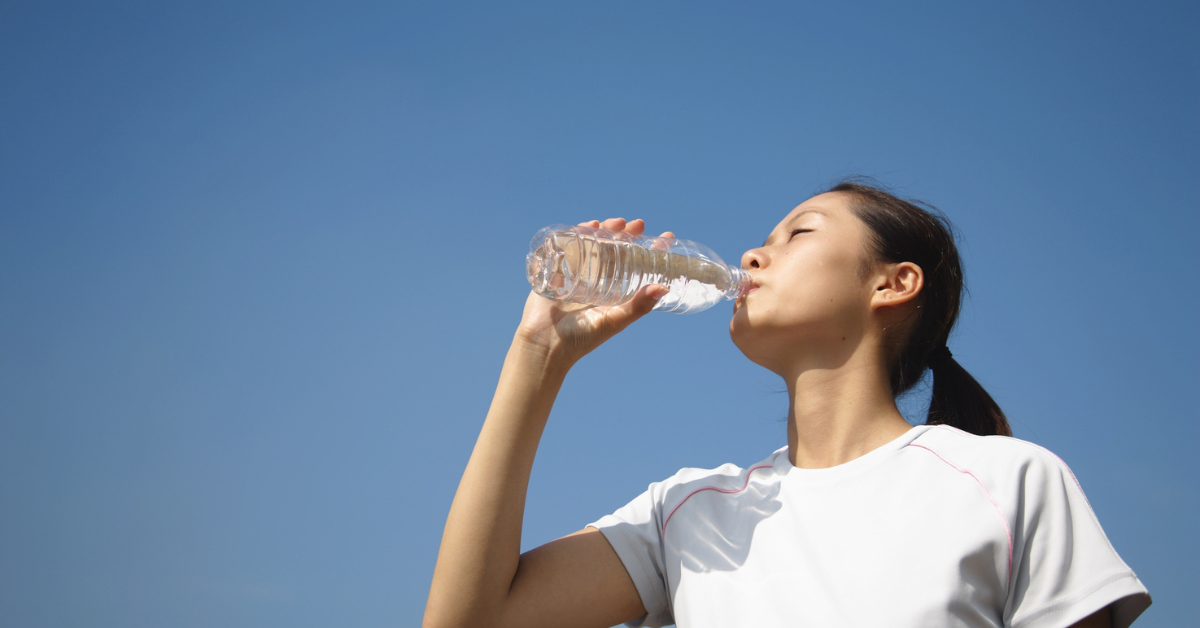
If you have oily acne-prone skin, you might assume hydration is not a concern. However, oily skin can still become dehydrated, and a lack of hydration may weaken your skin barrier, leading to irritation, excess oil production, and more frequent breakouts. That’s why choosing the right hydration foods for oily acne-prone skin barrier repair can be an important part of your skincare strategy.
While topical products help protect the skin’s surface, the foods you eat can support hydration from within. Water-rich fruits, vegetables, healthy fats, and nutrient-dense foods provide the vitamins, minerals, and antioxidants your skin needs to maintain a stronger barrier and healthier appearance.
In this guide, you’ll discover the best hydration foods for oily acne-prone skin, learn how they support skin barrier repair, and find simple ways to improve skin hydration without triggering excess oiliness or acne flare-ups.
To learn more about the causes, signs, and solutions for a weakened skin barrier in humid conditions, read our complete guide: Why Your Skin Barrier Is Damaged in Humid Weather (And How to Fix It).
Why Oily Acne-Prone Skin Can Still Be Dehydrated
Many people think oily skin is naturally well-hydrated. That is not always true. Oily acne-prone skin can produce excess sebum while still lacking enough water. This condition is known as skin dehydration.
When your skin loses too much moisture, it may try to compensate by producing even more oil. As a result, your face can feel greasy but still appear tight, dull, or uncomfortable. This imbalance may also make breakouts harder to manage.
Several factors can contribute to dehydration, including harsh cleansers, over-exfoliation, hot weather, indoor heating, and not getting enough fluids or hydrating foods for oily skin. These habits can weaken the skin’s protective barrier and increase transepidermal water loss (TEWL).
A healthy skin barrier helps lock in moisture and keep irritants out. When the barrier becomes compromised, skin may become more sensitive, oily, and acne-prone. This is why skin hydration is an important part of skin barrier repair, even for people who struggle with excess oil.
Can Hydrating Foods Help Repair a Damaged Skin Barrier?
Hydrating foods cannot replace a good skincare routine, but they can support your skin from the inside out. Your skin barrier relies on a steady supply of water, healthy fats, vitamins, and minerals to function at its best.
Water-rich fruits and vegetables help improve overall hydration. Foods rich in omega-3 fatty acids, antioxidants, and vitamin C provide nutrients that support normal skin function and barrier maintenance. These nutrients may also help the skin respond better to everyday environmental stress.
For people with oily acne-prone skin, nutrition is often overlooked. Yet what you eat can influence hydration levels and overall skin barrier health. A diet that includes a variety of nutrient-dense foods may help support a stronger moisture barrier over time.
It is important to have realistic expectations. No single food can instantly repair a damaged skin barrier. Lasting improvement usually comes from combining hydration foods for oily acne-prone skin barrier repair with gentle skincare habits and consistent moisture support.
Now that you understand how nutrition may contribute to skin hydration and barrier function, let’s look at the best foods to include in your diet.
According to a clinical study, lower skin hydration levels are linked to increased acne severity. Read the study: “Lower Facial Skin Hydration Level Increases Acne Vulgaris Severity Level.”
Best Hydration Foods for Oily Acne-Prone Skin Barrier Repair
The right foods can help support skin hydration and overall skin barrier health. While no food can repair a damaged barrier overnight, some foods provide water, healthy fats, antioxidants, and other nutrients that support healthy skin function. Here are some of the best hydration foods for oily acne-prone skin barrier repair.
Cucumber
Cucumber is made up of about 95% water, making it one of the most hydrating foods you can eat. It also contains small amounts of vitamin C and antioxidants that support healthy skin. Adding cucumber to salads or snacks is an easy way to increase daily hydration.
Watermelon
Watermelon is another water-rich fruit that can help support hydration. It also contains vitamin C and lycopene, an antioxidant that helps protect the skin from environmental stress. Its high water content makes it a refreshing choice for oily acne-prone skin.
Strawberries
Strawberries provide both water and vitamin C. Vitamin C plays a role in collagen production and supports normal skin structure. They are also rich in antioxidants that help support overall skin health.
Celery
Celery contains a high amount of water along with minerals that support hydration balance. It is low in calories and can be a simple addition to meals or healthy snacks.
Lettuce
Lettuce, especially varieties like romaine, contributes water and beneficial nutrients to your diet. It can help increase fluid intake through food while supporting a balanced eating pattern.
Coconut Water
Coconut water contains natural electrolytes such as potassium and magnesium. These minerals help maintain fluid balance in the body. Unsweetened coconut water can be a good option when you want extra hydration.
Avocado
Avocado is not a water-rich food, but it contains healthy fats that support the skin barrier. These fats help maintain the skin’s natural protective layer and support long-term moisture retention.
Chia Seeds
Chia seeds absorb water and provide omega-3 fatty acids. Omega-3s are important for maintaining healthy skin and supporting a strong moisture barrier. They can be added to yogurt, smoothies, or oatmeal.
Salmon
Salmon is one of the best sources of omega-3 fatty acids. These healthy fats help support skin barrier function and may help reduce skin inflammation. Including salmon regularly can benefit overall skin barrier repair efforts.
Bone Broth
Bone broth provides amino acids and minerals that support overall skin health. It also contributes to daily fluid intake, making it a useful addition to a hydration-focused diet.
Together, these foods provide a mix of water, electrolytes, healthy fats, and antioxidants that support hydration foods for oily acne-prone skin and overall barrier health.
A review published in the literature highlights that dietary interventions can influence skin barrier function and overall skin health. Read the study: Diet and Skin Barrier: The Role of Dietary Interventions on Skin Barrier Function.
A Simple One-Day Meal Plan for Oily Acne-Prone Skin Hydration
Building a diet around hydration foods for oily acne-prone skin does not have to be complicated. The goal is to include water-rich foods, healthy fats, and nutrient-dense ingredients throughout the day. Here is a simple example.
Breakfast
Start your morning with oatmeal topped with strawberries and chia seeds. Pair it with a glass of water or unsweetened coconut water. This combination provides hydration, fiber, and omega-3 fatty acids that support skin barrier health.
Mid-Morning Snack
Enjoy sliced cucumber and watermelon. These water-rich foods can help increase daily fluid intake while providing antioxidants that support healthy skin.
Lunch
Prepare a large salad with lettuce, cucumber, avocado, and grilled salmon. This meal delivers hydration along with healthy fats and nutrients that help support a strong moisture barrier.
Afternoon Snack
Choose a small bowl of strawberries or celery sticks. These light snacks add extra hydration without relying on processed foods.
Dinner
Serve grilled salmon with a side of mixed vegetables and a fresh salad. You can also enjoy a cup of bone broth as part of the meal. This provides additional nutrients that support overall skin health.
Evening Hydration Tip
Drink water consistently throughout the day instead of waiting until you feel thirsty. Regular hydration works best when combined with a balanced diet and skin barrier repair habits.
This sample meal plan is only one example. The key is to include a variety of hydrating foods for oily skin while maintaining a balanced and sustainable eating pattern.
Other Ways to Improve Skin Barrier Hydration Beyond Diet
While hydration foods for oily acne-prone skin barrier repair can support your skin from within, daily skincare habits also matter. A few simple changes can help maintain moisture levels and support a healthier skin barrier.
Drink Enough Water
Hydrating foods are helpful, but they should not replace water. Drinking enough water throughout the day helps support normal body functions and overall skin hydration. Try to sip water regularly instead of consuming large amounts at once. Consistent hydration is often more effective than occasional heavy intake.
Use a Gentle Cleanser
Many people with oily acne-prone skin use harsh cleansers to remove excess oil. Unfortunately, this can strip away natural lipids that help protect the skin. A gentle cleanser removes dirt, sweat, and excess oil without disrupting the moisture barrier. Look for formulas designed for sensitive or barrier-compromised skin.
Choosing the right cleanser is only one part of the solution. Learn how to strengthen your skin’s protective barrier in our guide on Best Ingredients and Routines to Repair Your Skin Barrier in Oily Acne-Prone Skin.
Avoid Over-Exfoliation
Exfoliation can help remove dead skin cells, but too much can weaken the skin’s protective barrier. Frequent use of strong scrubs, acids, or exfoliating treatments may increase dryness and irritation. If your goal is skin barrier repair, focus on gentle exfoliation and give your skin enough time to recover between treatments.
These habits work alongside a nutrient-rich diet to support healthier, more resilient skin. Next, let’s look at some common mistakes that can make oily skin feel even more dehydrated.
Common Mistakes People Make When Trying to Hydrate Oily Acne-Prone Skin
Many people try to fix oily acne-prone skin the wrong way. Small habits can actually make dehydration and oil imbalance worse.
- Using harsh cleansers that strip the skin barrier
- Skipping moisturizer because of oily skin
- Over-washing the face multiple times a day
- Relying only on topical products and ignoring hydration foods for oily acne-prone skin
- Over-exfoliating to control oil, which weakens the moisture barrier
- Not drinking enough water throughout the day
- Eating too many sugary or ultra-processed foods that affect skin hydration
Avoiding these mistakes helps support a healthier moisture barrier and more balanced skin over time.
Conclusion
Supporting hydration foods for oily acne-prone skin barrier repair is a simple but effective step for healthier skin. Water-rich fruits, vegetables, healthy fats, and nutrient-dense foods help improve skin hydration and support a stronger skin barrier from within.
When combined with gentle skincare habits and proper water intake, these foods can help balance oil production and reduce dryness at the same time. The key is consistency, not quick fixes.
A balanced diet and mindful routine work together to support clearer, more resilient oily acne-prone skin over time.
Disclaimer
This article is for informational purposes only. It is not medical advice. Results may vary depending on individual skin type and health conditions. For persistent acne or skin concerns, consult a qualified dermatologist or healthcare professional.
FAQs
How to fix skin barrier for oily, acne-prone skin?
To fix a damaged skin barrier, focus on gentle skincare and consistency. Use a mild cleanser, avoid over-exfoliation, and apply a lightweight, non-comedogenic moisturizer. Support your routine with hydration foods for oily acne-prone skin like fruits, vegetables, and healthy fats. Over time, this helps restore skin barrier health and reduce irritation.
How to hydrate oily acne-prone skin?
Hydrating oily acne-prone skin is about balance, not removing oil completely. Drink enough water daily and include water-rich foods like cucumber and watermelon. Use a light moisturizer to prevent water loss. Avoid harsh products that strip the moisture barrier, as they can make skin even more dehydrated.
What foods repair skin barrier?
No single food can fully repair the skin barrier, but certain foods support it. Omega-3 rich foods like salmon, chia seeds, and avocado help strengthen the skin barrier. Antioxidant-rich fruits and vegetables also support skin hydration and overall skin health.
What to eat for oily acne-prone skin?
A balanced diet works best for oily acne-prone skin. Include hydration foods for oily acne-prone skin such as leafy greens, berries, cucumber, and healthy fats. Avoid excess sugar and processed foods, as they may trigger breakouts and affect skin hydration balance.