Many people on Reddit say the same thing. Their skin feels tight after cleansing. Moisturizer burns. Redness appears out of nowhere. Some even notice more oil and breakouts after using barrier repair products.
In many of these discussions, users focus only on skincare. They try new creams, serums, and moisturizers. However, they often overlook one important factor: diet.
Research suggests that omega-3 fatty acids help support the skin barrier and reduce inflammation. These healthy fats are found in foods such as salmon, sardines, walnuts, chia seeds, and flaxseeds. They help the skin retain moisture and support its natural protective function.
If you are dealing with dryness, irritation, sensitivity, or a damaged skin barrier, adding more omega-3-rich foods to your diet may help. In this guide, you will discover 7 omega-3 foods that help repair a damaged skin barrier and learn how to include them in your daily meals for healthier, stronger skin.
Along with omega-3-rich foods, certain vitamins also play an important role in skin recovery. Read our guide on 5 Vitamins That Help Repair a Damaged Skin Barrier to learn which nutrients support a stronger and healthier skin barrier.
Why Omega-3 Matters for Skin Barrier Health
Your skin barrier is your skin’s first line of defense. It helps keep moisture in and irritants out.
When the skin barrier becomes damaged, your skin may feel dry, tight, or sensitive. Some people also notice redness, itching, or more breakouts.
This is where omega-3 fatty acids can help.
Omega-3s are healthy fats that support the skin’s natural barrier. They help the skin hold onto moisture. This can reduce dryness and improve skin comfort.
Omega-3s also have anti-inflammatory properties. They may help calm irritation and support healthier-looking skin. This is especially important if your skin barrier is weakened.
Several studies suggest that omega-3 fatty acids play a role in maintaining skin health. They help support the structure and function of the skin barrier.
Foods rich in omega-3 may also benefit people with oily, acne-prone skin. A healthier skin barrier can better balance moisture levels and protect against external stressors.
Adding more omega-3 foods for skin barrier repair to your diet is a simple step. Over time, these nutrient-rich foods can help support stronger and healthier skin from within.
For a deeper look at how omega-3 fatty acids may support skin health and various dermatological conditions, read the review study “The Potential Uses of Omega-3 Fatty Acids in Dermatology: A Review.” This research explores the role of omega-3s in skin barrier function, inflammation, and overall skin wellness.
7 Omega-3 Foods for Skin Barrier Repair
Salmon
Salmon is one of the best omega-3 foods for skin barrier repair. It is rich in EPA and DHA, two types of omega-3 fatty acids that support skin health.
These healthy fats help the skin stay hydrated. They also support the skin’s natural protective barrier.
Salmon contains high-quality protein as well. Protein helps the skin repair and renew itself.
Try adding salmon to your meals two or three times a week for extra skin-supporting nutrients.
Sardines
Sardines are small fish packed with omega-3 fatty acids. They are an excellent choice for a damaged skin barrier diet.
Omega-3s in sardines help support moisture retention. They may also help calm skin irritation.
Sardines are also rich in vitamin D and selenium. These nutrients play a role in overall skin health.
You can enjoy sardines in salads, sandwiches, or grain bowls.
Mackerel
Mackerel is another fatty fish loaded with omega-3s. It provides nutrients that support a healthy skin barrier.
Regular intake of omega-3-rich fish may help reduce dryness and improve skin comfort.
Mackerel is also a good source of protein and vitamin B12.
Adding mackerel to your weekly diet is a simple way to increase your omega-3 intake.
Herring
Herring is often overlooked, but it is one of the best foods that support the skin barrier.
It contains a high amount of omega-3 fatty acids. These healthy fats help keep the skin barrier strong and resilient.
Herring also provides vitamin D, which supports overall skin function.
Enjoy herring with vegetables or whole grains for a balanced meal.
Chia Seeds
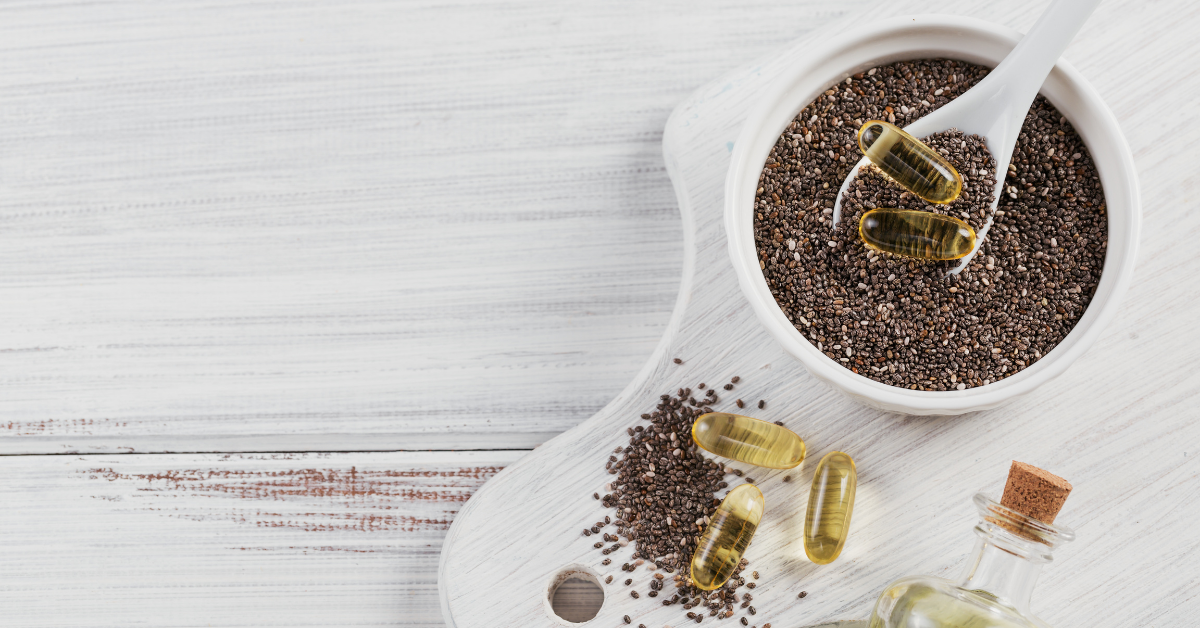
Chia seeds are one of the best plant-based omega-3 foods for skin barrier repair.
They are rich in ALA, a type of omega-3 fatty acid. They also contain fiber and antioxidants.
Chia seeds can help support healthy skin from within. They are easy to add to smoothies, yogurt, or oatmeal.
A small serving each day can boost your intake of healthy fats for skin barrier health.
Along with omega-3 foods, hydration also plays a key role in skin recovery. Read our guide on Hydration Foods for Oily Acne-Prone Skin Barrier Repair to learn which foods help support moisture balance and a healthier skin barrier.
Flaxseeds
Flaxseeds are another excellent source of plant-based omega-3s.
They contain ALA and other nutrients that support skin wellness.
Many people add ground flaxseeds to smoothies or breakfast bowls. This is an easy way to include more foods rich in omega-3 fatty acids in your diet.
Flaxseeds also provide fiber, which supports overall health.
A clinical study, “Supplementation of Flaxseed Oil Diminishes Skin Sensitivity and Improves Skin Barrier Function and Condition,” found that flaxseed oil may help improve skin hydration, reduce sensitivity, and support overall skin barrier function.
Walnuts
Walnuts are one of the few nuts that contain a meaningful amount of omega-3 fatty acids.
They make a simple and convenient snack for people looking to improve their skin-friendly diet.
Walnuts provide healthy fats, antioxidants, and important minerals.
Including walnuts in your meals may help support skin barrier repair and overall skin health.
Add them to salads, oatmeal, or yogurt for a quick omega-3 boost.
How to Add More Omega-3 to Your Diet
Adding more omega-3 foods for skin barrier repair does not have to be difficult. Small changes can make a big difference over time.
Try eating fatty fish at least two times a week. Salmon, sardines, mackerel, and herring are all excellent choices. They provide omega-3 fatty acids that support skin barrier health.
Start your day with chia seeds or ground flaxseeds. Add them to oatmeal, yogurt, or smoothies. This is an easy way to increase your intake of healthy fats.
Snack on a handful of walnuts during the day. Walnuts are rich in omega-3s and fit easily into most diets.
You can also sprinkle flaxseeds on salads or mix them into homemade energy bites. Small additions like these can help support a damaged skin barrier diet.
If you do not eat fish, focus on plant-based sources such as chia seeds, flaxseeds, and walnuts. They provide omega-3s that contribute to overall skin health.
Consistency matters more than perfection. Eating foods rich in omega-3 fatty acids regularly can help support hydration and a stronger skin barrier over time.
Pair these foods with a balanced diet that includes fruits, vegetables, and protein. This gives your skin the nutrients it needs to repair and maintain a healthy barrier.
Conclusion
Repairing a damaged skin barrier takes time. There is no quick fix.
The good news is that your daily diet can support the healing process. Adding omega-3 foods for skin barrier repair is a simple step that may make a real difference over time.
Foods like salmon, sardines, mackerel, chia seeds, flaxseeds, and walnuts provide healthy fats that support skin barrier health. They help your skin stay hydrated and strengthen its natural protective barrier.
For the best results, combine these nutrient-rich foods with a gentle skincare routine. Consistency is key. Small changes today can help you build healthier and stronger skin in the long run.
Disclaimer
This content is for educational purposes only. It is not a substitute for professional medical advice, diagnosis, or treatment. Always consult a healthcare professional for personal health concerns.
FAQs
Does Omega-3 Improve the Skin Barrier?
Yes. Omega-3 fatty acids help support a healthy skin barrier. They help the skin retain moisture and reduce water loss. Omega-3s may also help calm inflammation, which can be beneficial for irritated or damaged skin.
What Foods Should You Eat to Heal a Damaged Skin Barrier?
Focus on nutrient-rich foods that support skin health. Some of the best choices include salmon, sardines, mackerel, chia seeds, flaxseeds, walnuts, avocados, and colorful fruits and vegetables. These foods provide healthy fats, antioxidants, and nutrients that support skin barrier repair.
Are 2 Eggs Enough Omega-3?
Two eggs can provide a small amount of omega-3, especially if they are omega-3-enriched eggs. However, they are usually not enough to meet your daily omega-3 needs. Fatty fish, chia seeds, flaxseeds, and walnuts are much richer sources.
Can You Repair a Skin Barrier in 7 Days?
Some people notice improvement within a week. However, complete skin barrier repair often takes longer. The timeline depends on the severity of the damage, your skincare routine, and your overall diet. Consistency is important.
How Can You Improve Your Skin Barrier Naturally?
Avoid harsh skincare products and excessive scrubbing. Stay hydrated and eat a balanced diet rich in omega-3 fatty acids. Getting enough sleep and managing stress can also support a stronger skin barrier.
Which Supplements Help Support Skin Barrier Repair?
Omega-3 fish oil supplements are among the most popular options. Some people also use supplements containing ceramides, vitamin D, or collagen. It is best to consult a healthcare professional before starting any supplement.